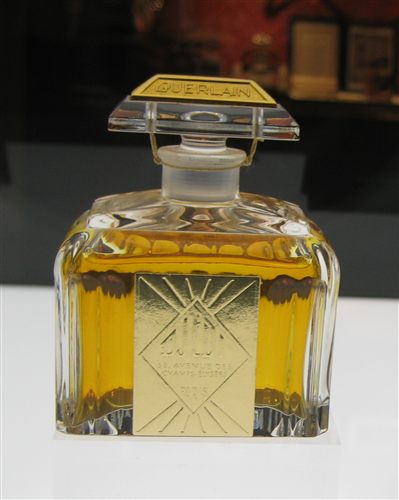
Djedi(1926)
Guerlain · Jacques Guerlain · Chypre
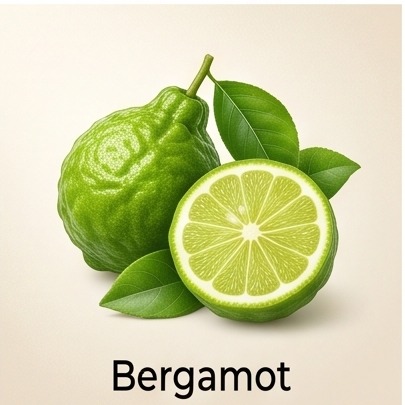
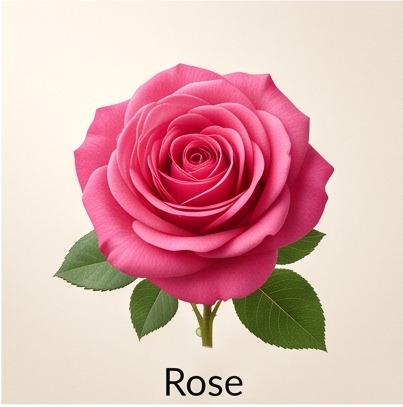
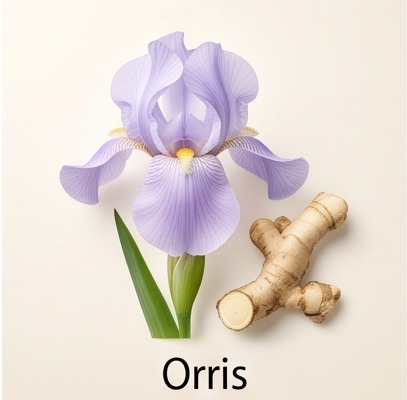
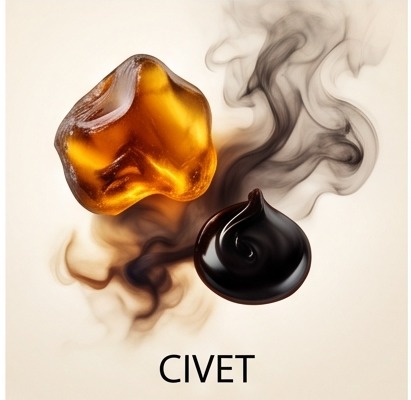
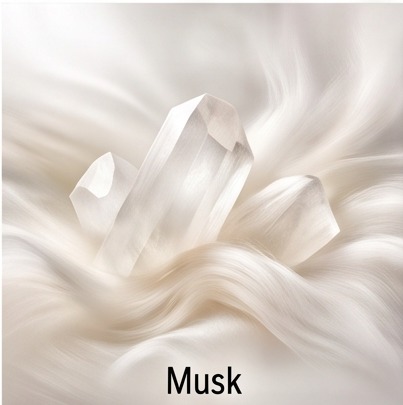
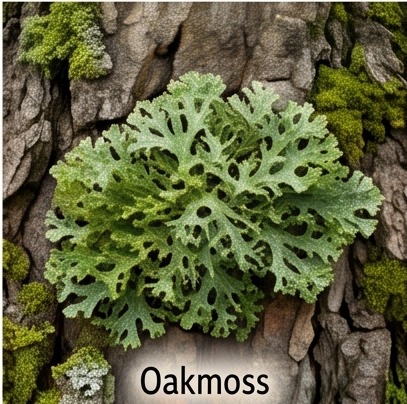
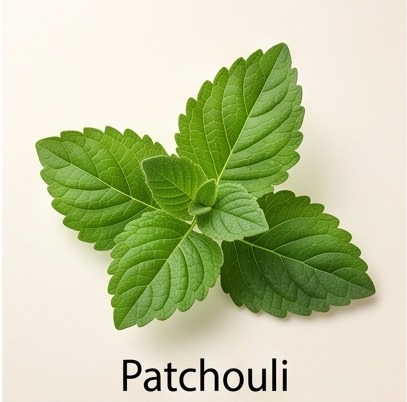
Created by Jacques Guerlain, Djedi opens on bergamot and rose, moves through a rose-and-orris heart, and closes on an unusually dense, dry base of civet, vetiver, musk, leather, oakmoss, and patchouli. It is frequently cited by perfume historians as one of the most austere, challenging compositions Guerlain ever released, deliberately built around dry, earthy, and animalic materials with almost no sweetness to soften them, a stark contrast to the vanillic warmth of the house's more famous orientals. Named after Djedi, a magician referenced in the ancient Egyptian tale of the Westcar Papyrus, the fragrance's severe character reflects a mystical, almost forbidding intent distinct from Guerlain's more romantic compositions. Its commercial failure upon release, considered too difficult for contemporary tastes, has only deepened its reputation among perfume historians and collectors as one of the most technically daring formulas of the interwar period.
New to top, heart & base notes? Learn how the fragrance pyramid actually works →


No comments yet.