 Olfactionary
Stories
At a glance
Quirky facts and real stories from the history of perfumery, the accidental discoveries, odd chemistry, and strange origin stories behind materials you'll find in fragrances today. Every story links back to its primary source.
Strange History
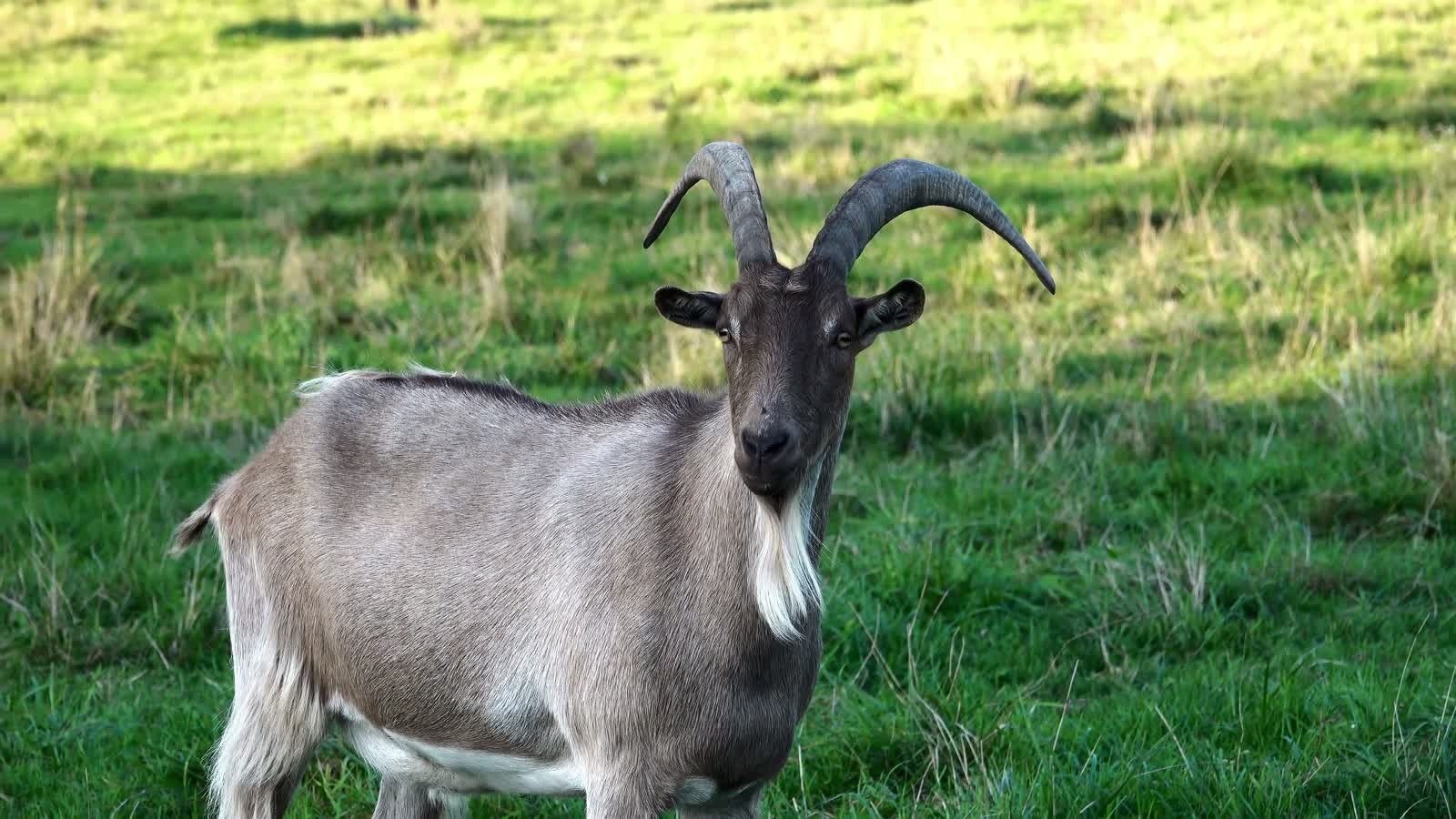
The Ancient Greeks Said This Perfume Resin Grew in Goats' Beards. They Were Nearly Right.
Herodotus reported that a sweet-smelling resin was produced in the beards of male goats. The truth is stranger: the goats were collecting it from shrubs, and people combed it out.
Quirky Facts
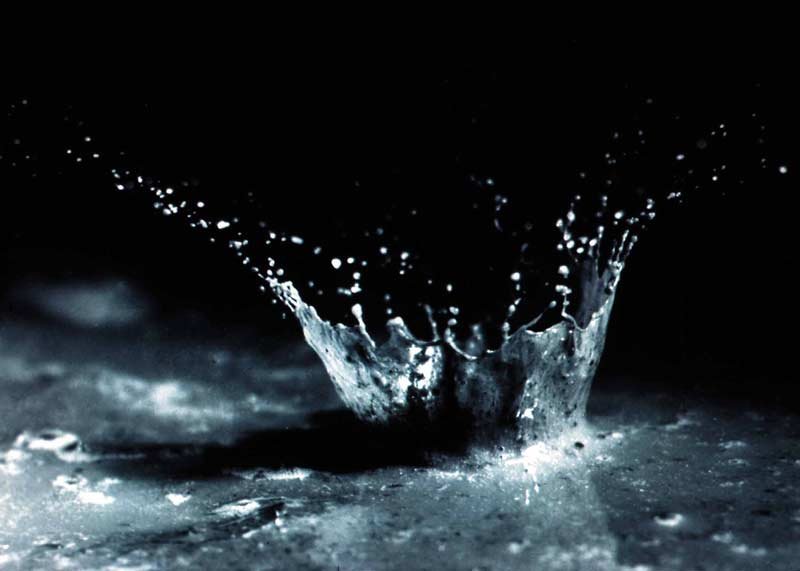
Why Rain Smells So Good: The Science of Petrichor
That distinctive earthy scent when rain hits dry ground has a name, a real chemical cause, and a human nose that is almost absurdly good at detecting it, more sensitive to it, by some measurements, than a shark is to blood in water.
Quirky Facts
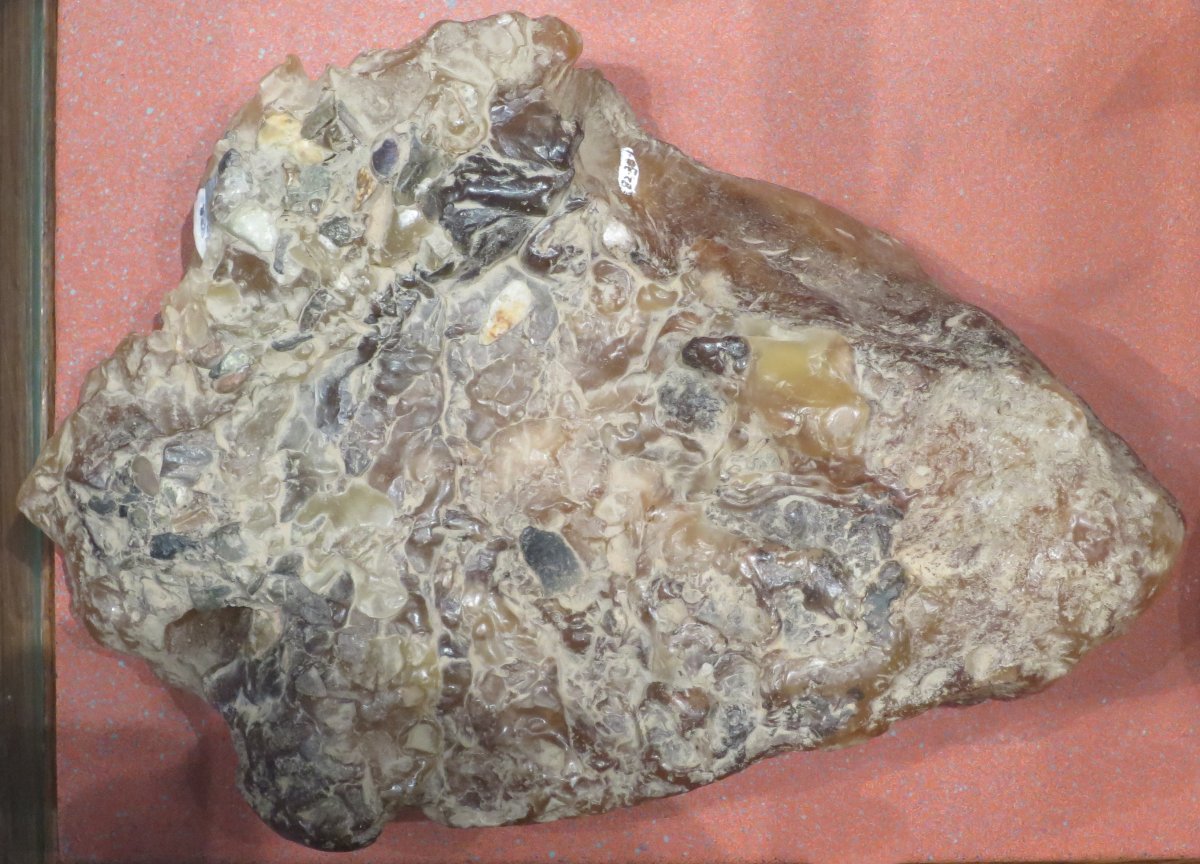
Ambergris Isn't Whale Vomit, and It's Worth More Than Gold
For centuries, one of perfumery's most prized ingredients was gathered from beaches, not laboratories: a waxy grey lump that drifts the open ocean for years before washing ashore. It's called ambergris, whalers nicknamed it "floating gold," and the common story about where it comes from isn't quite right.

Quirky Facts
What Does Space Actually Smell Like? NASA Hired a Perfumer to Find Out
Astronauts describe a sharp, metallic scent clinging to their suits after spacewalks, somewhere between seared steak and spent gunpowder. It's not space itself, it's ozone and oxidized metal, and NASA liked the smell enough to have it recreated as a training tool.
Quirky Facts
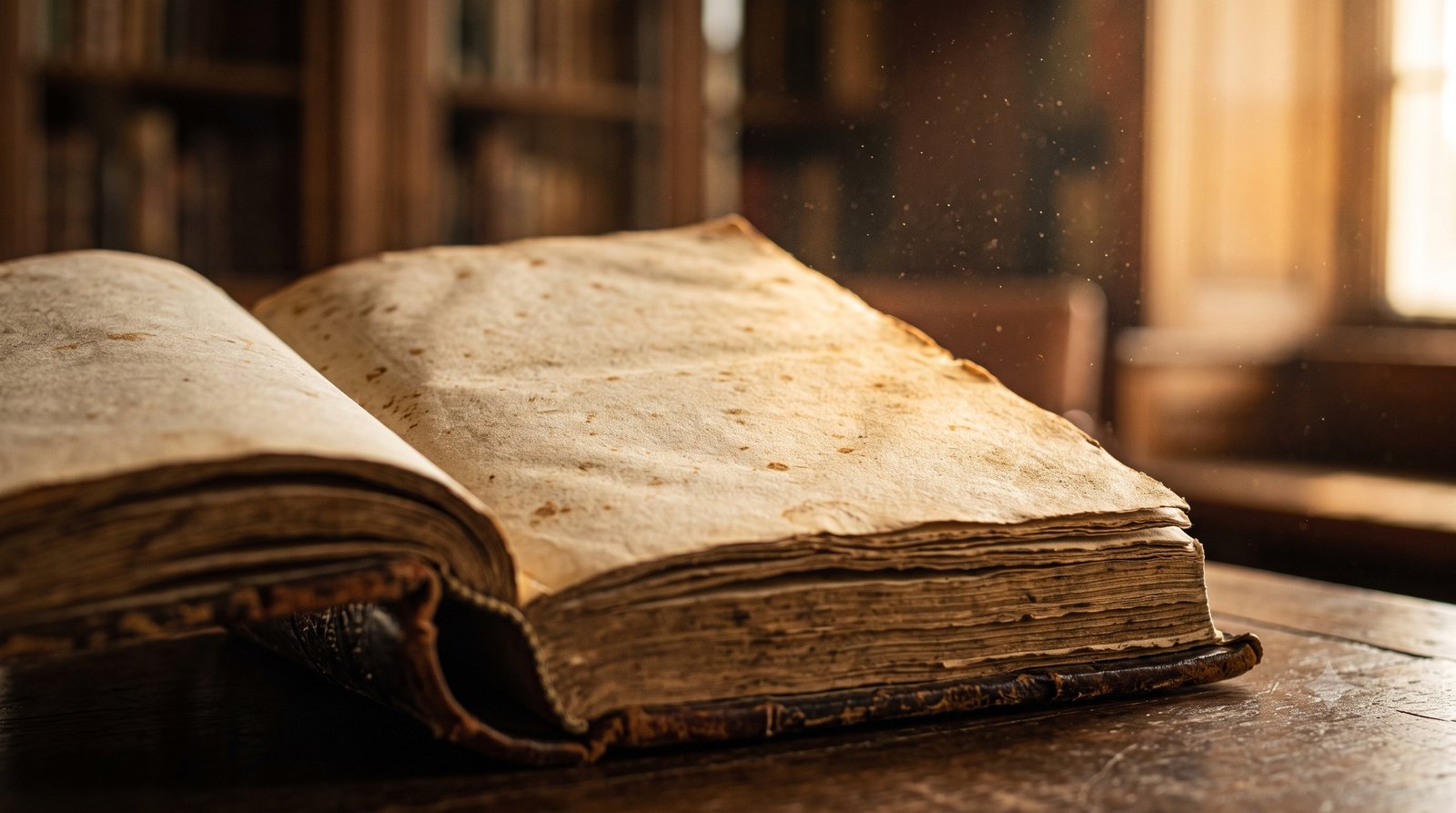
Why Old Books Smell Like Vanilla, the Paper Is Slowly Decaying, and That's the Point
The nostalgic musty-sweet smell of an old book isn't decoration, it's paper literally breaking down, releasing vanillin, benzaldehyde, and furfural, the same aromatic compounds found in vanilla pods, almonds, and caramelized sugar.
Quirky Facts
No, You're Not Necessarily "Anosmic" to Iso E Super, That Statistic Doesn't Trace Back to Any Real Study
A number gets repeated in nearly every review of Baccarat Rouge 540 and every forum thread about "quiet" synthetics: 20 to 25 percent of people supposedly can't smell Iso E Super at all. The one real chemistry paper actually about the molecule never mentions it.
Strange History
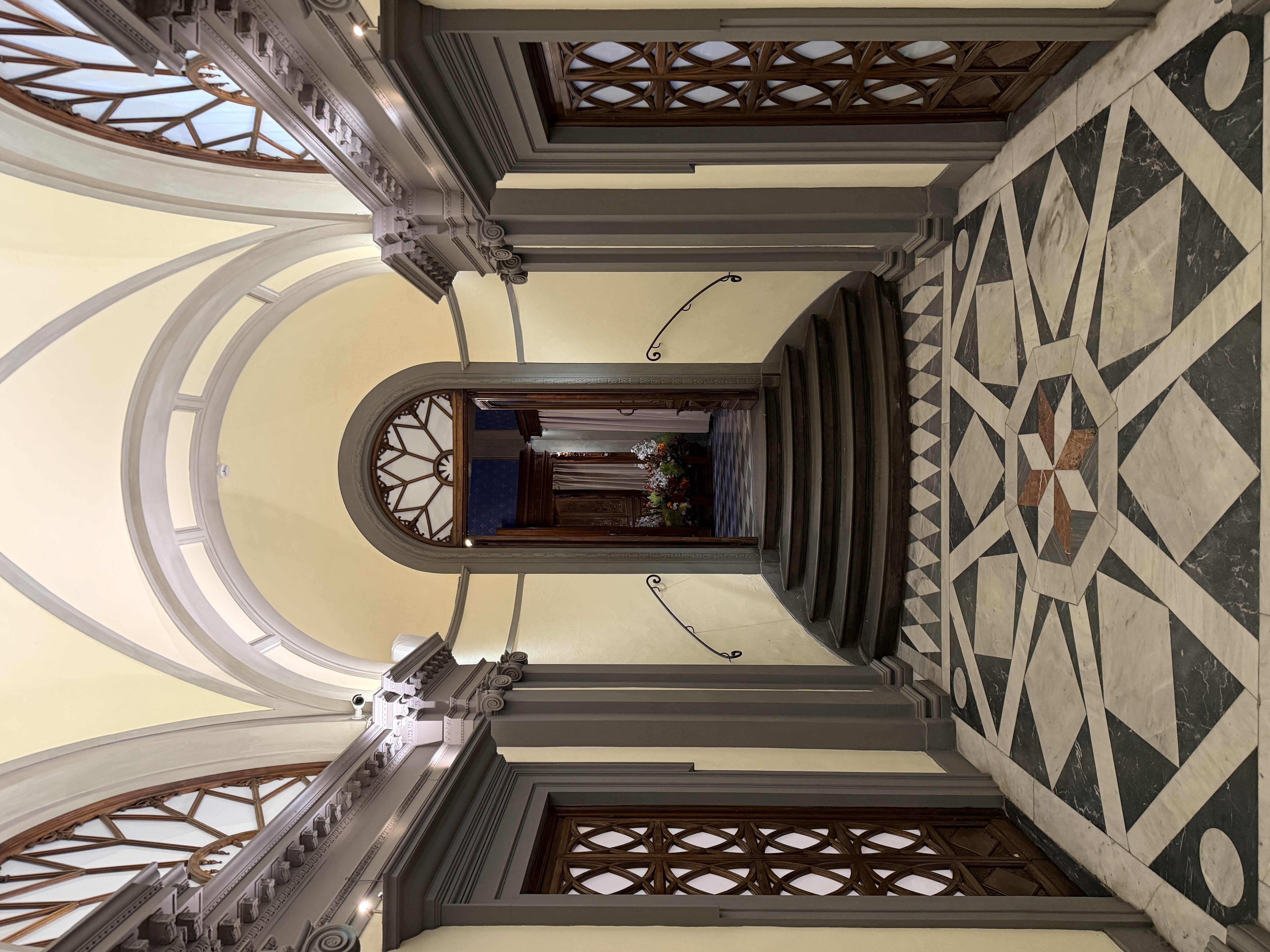
A Perfume Shop In Florence Has Been Open Since Before Columbus Sailed
Officina Profumo-Farmaceutica di Santa Maria Novella started as a monastery garden in 1221. Eight hundred years later, you can still walk in and buy the same recipe a queen once carried to France.
New Releases
Henry Rose's Layering Event Is Back, With Two Limited-Edition Sets
The transparency-first, Michelle Pfeiffer-founded fragrance brand built its annual event around mixing scents instead of picking just one, here's what's actually in the two new sets.
Strange History
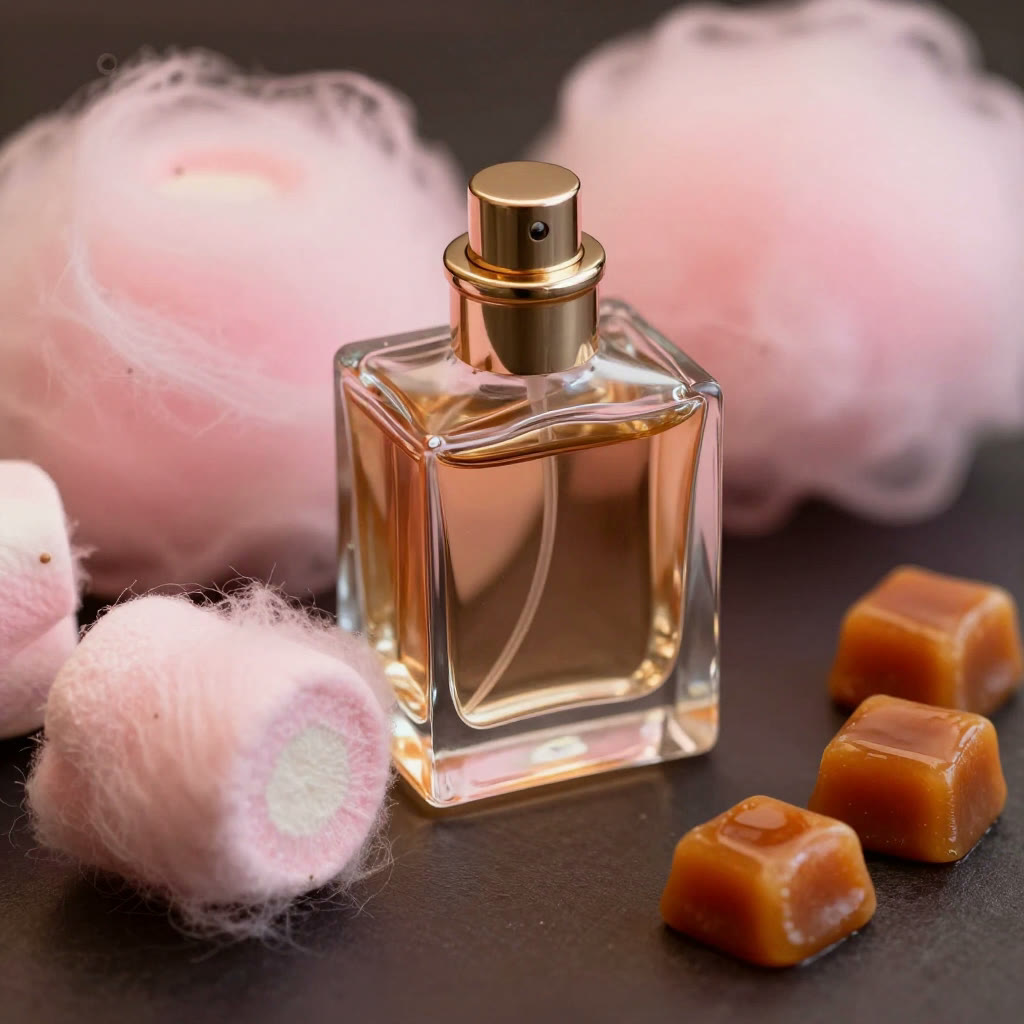
One Perfume Invented an Entire Fragrance Category by Smelling Like Cotton Candy
Before 1992, no major perfume had ever put dessert at the center of its concept. Thierry Mugler's Angel changed that, creating the "gourmand" fragrance family that's still expanding today.
Quirky Facts
There's a Real Scientific Reason You Can't Smell Your Own Perfume Anymore
It isn't your imagination and the fragrance hasn't actually faded. Your nose is doing exactly what it evolved to do, and everyone else in the room can still smell it fine.
Quirky Facts
This Perfume Contains Exactly One Ingredient, and It Smells Different on Everyone Who Wears It
While most fragrances blend dozens of materials, Molecule 01 is built from a single lab-made compound at high concentration, with nothing else added at all.
Quirky Facts
The Fragrance Industry Sold This Molecule for 27 Years Before Anyone Proved Why It Worked
A lab-made replacement for rare whale ambergris, synthesized from leftover clary sage waste in 1950, was already a perfumery staple long before chemists could actually confirm it was responsible for the scent.
Strange History
Scientists Recreated a Smell That No One Had Experienced in 3,500 Years
Using chemical residue from an ancient Egyptian noblewoman's burial jars, researchers reverse-engineered (and physically reconstructed) the exact embalming scent used on her body in 1450 BCE.
Strange History
The Perfume Name Fight That Took a Century and an Act of Parliament to Settle
A stranger bought the rights to a famous perfumer's surname from an unrelated man of the same name, and it took Germany's first trademark law to finally sort out who was allowed to sell "Farina."
Strange History
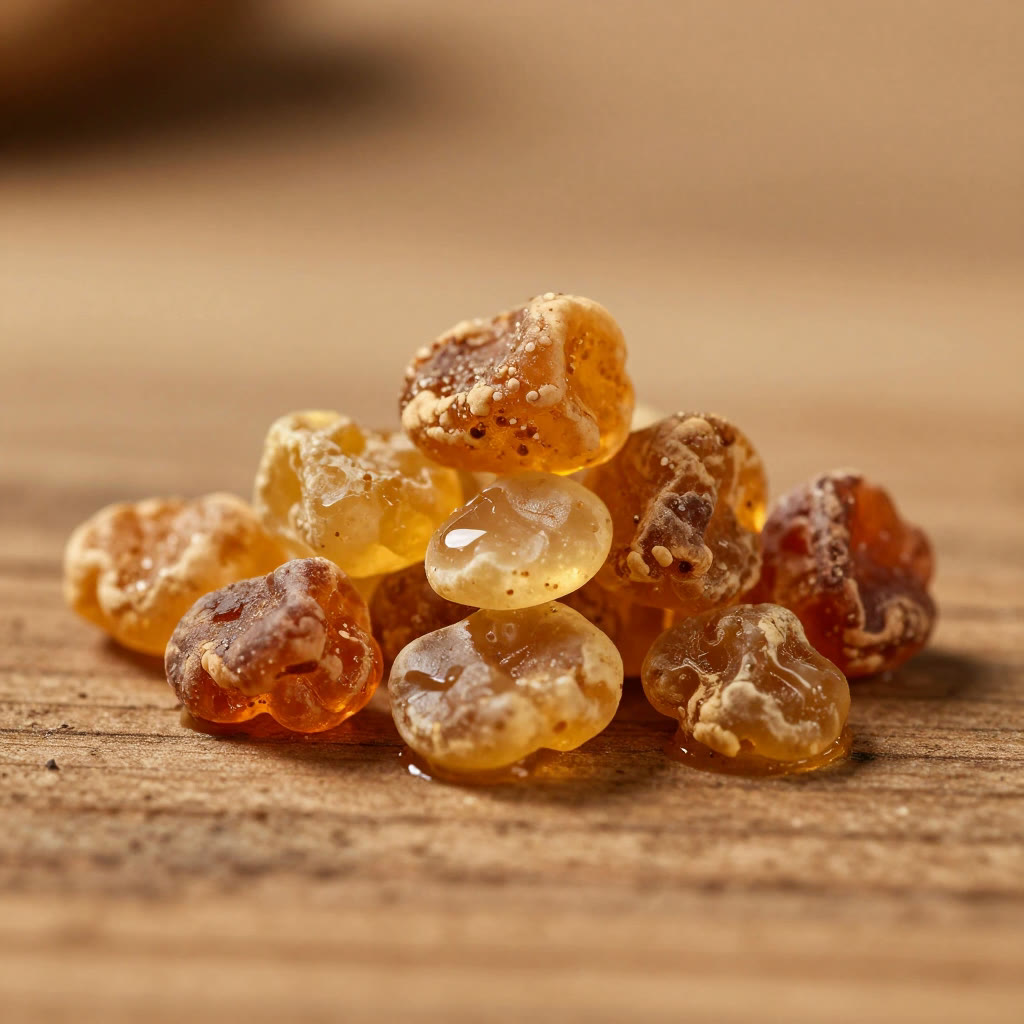
The Ancient Trade Route That Was Worth More Than Gold (And It Was Just Tree Sap)
For nearly two thousand years, entire South Arabian kingdoms grew rich and built dams and temples on the back of a single hardened resin, harvested from trees that grew almost nowhere else on Earth.
Quirky Facts
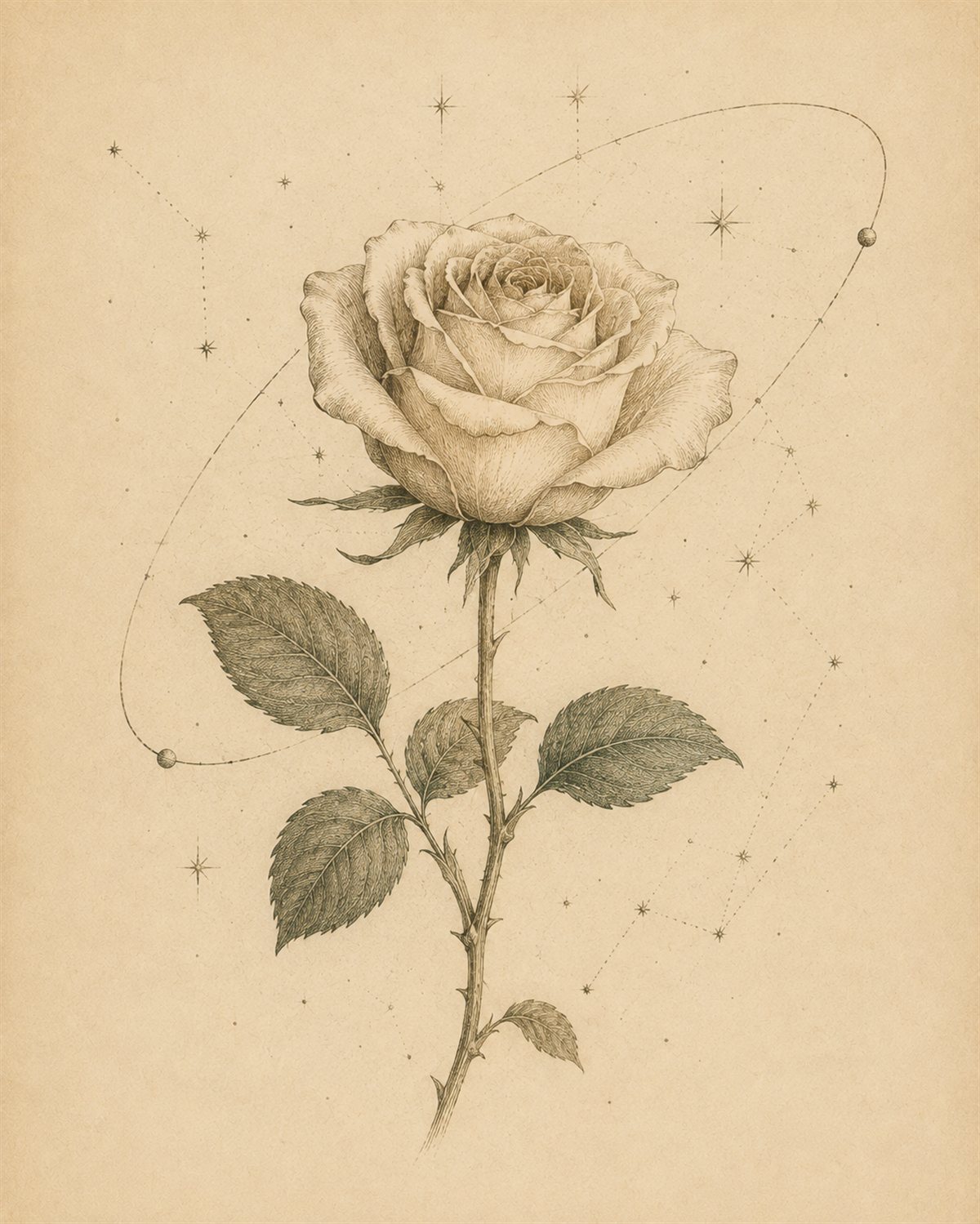
NASA Sent a Rose Into Orbit to Find Out If Zero Gravity Changes How Flowers Smell
In 1998, a miniature rose flew aboard Space Shuttle Discovery as part of a real fragrance-industry experiment. It came back producing a scent that didn't exist on Earth, and a version of it is in a real, commercially sold perfume today.
Quirky Facts
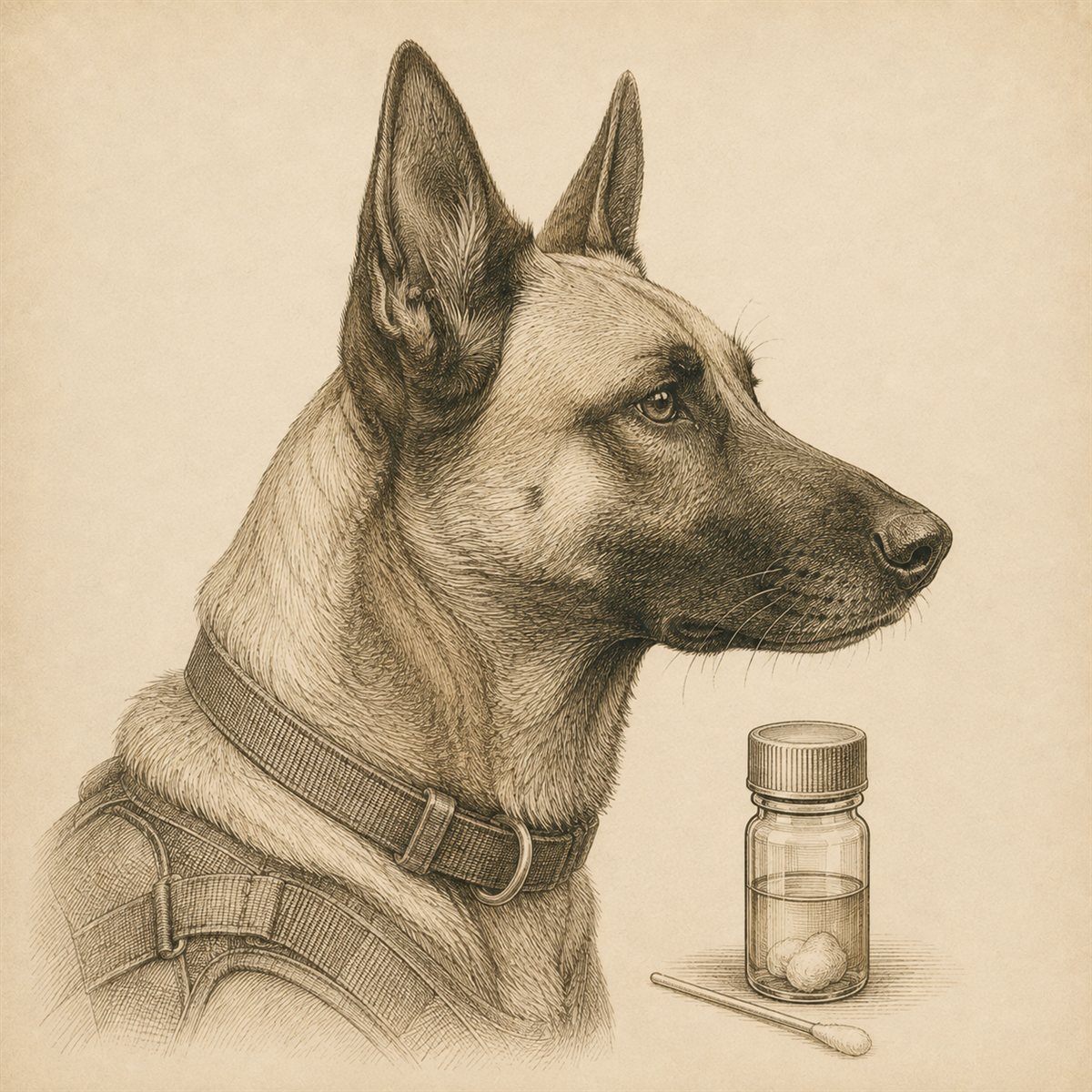
There's a Perfume Industry Built Around Making Things Smell Like a Dead Body
Synthetic decomposition scent isn't a novelty, it's a real, chemically engineered product category used to train cadaver-detection dogs, built around the same compounds, cadaverine and putrescine, that give decomposition its smell.
Strange History
No, Chanel No. 5 Wasn't Invented by a Lab Mistake, The Real Story Is More Interesting
The famous legend says an assistant accidentally overdosed a sample with synthetic aldehydes, and Coco Chanel loved the mistake. Perfume historians who've actually looked into it say there's no way to verify it happened, and good reason to doubt it did.

Quirky Facts
Up to Roughly a Third of People Are Genetically Unable to Smell Certain Musks
Specific anosmia to macrocyclic musk compounds is real, documented, and traced to a specific olfactory receptor gene, meaning two people standing next to the same musk-heavy perfume can have completely different experiences of it.
Quirky Facts
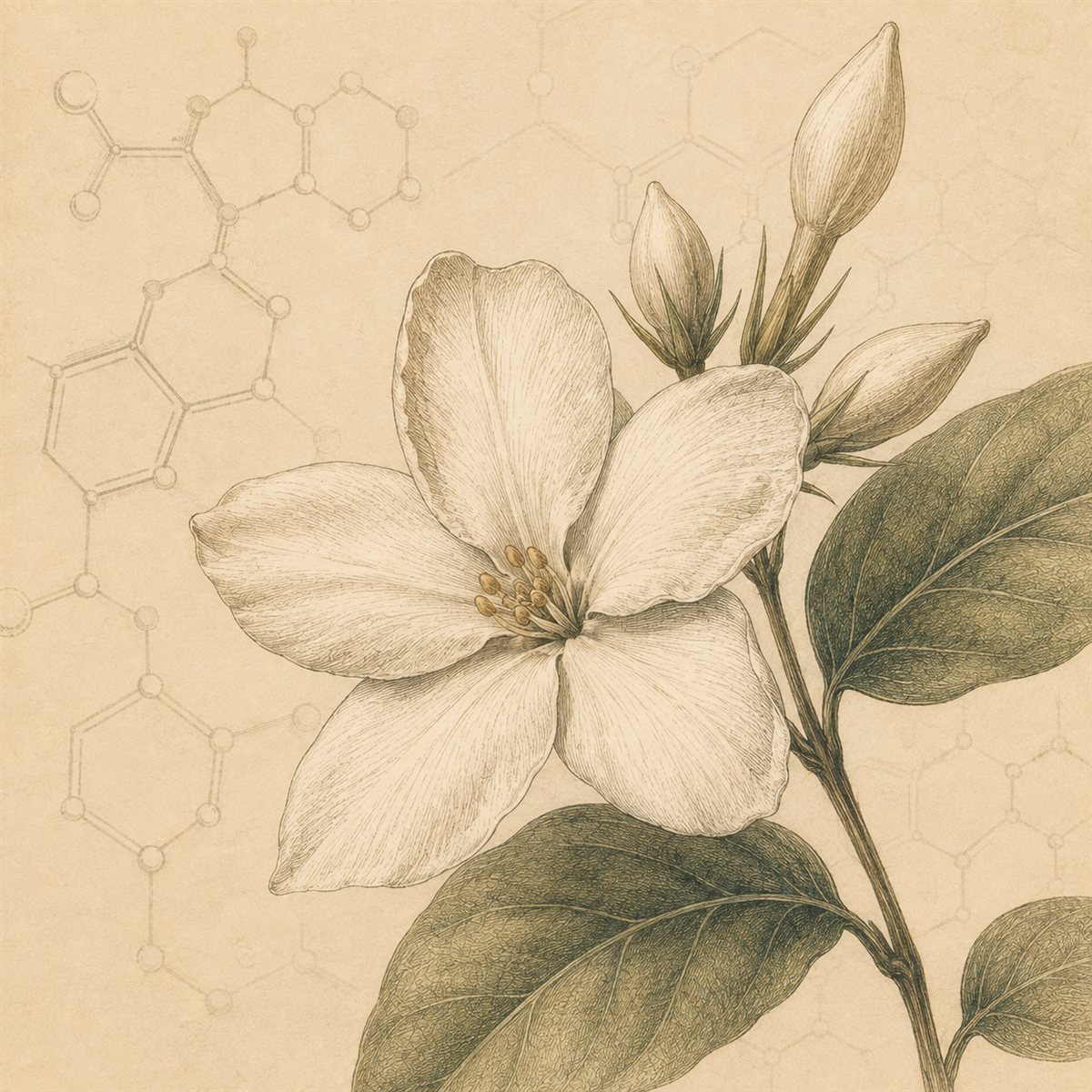
The Molecule That Makes Jasmine Smell Amazing Is the Same One That Makes Feces Smell Bad
Indole is a major component of fecal odor. It's also, in trace amounts, essential to why jasmine, tuberose, and orange blossom smell the way they do, remove it and the flowers smell flat and synthetic.
Strange History
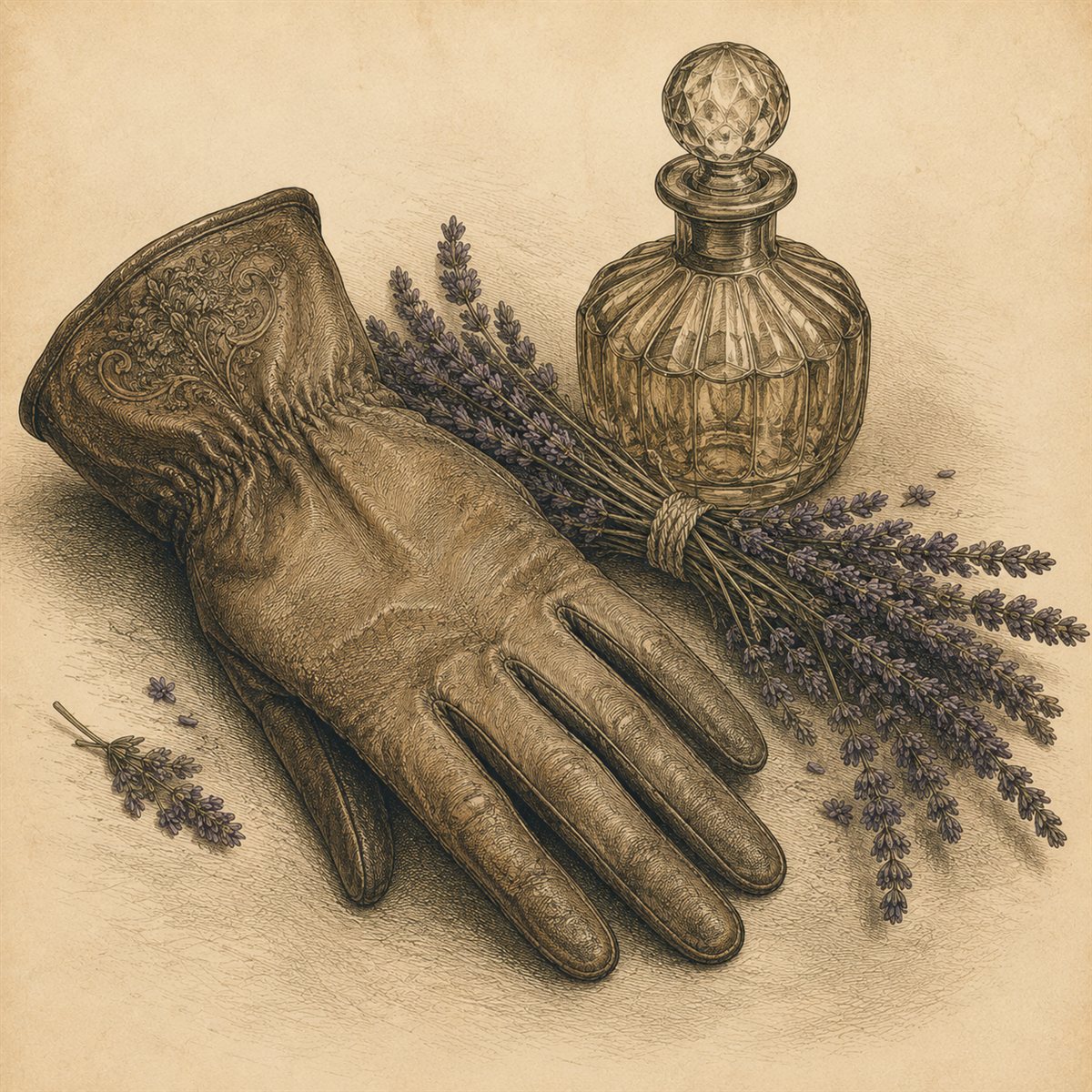
A Queen's Solution to Terrible-Smelling Leather Gloves Created France's Perfume Capital
16th-century leather tanning used animal fat and worse, leaving gloves reeking. Catherine de' Medici's solution, scenting them, accidentally turned a leather-tanning town called Grasse into the perfume capital of the world.
Strange History
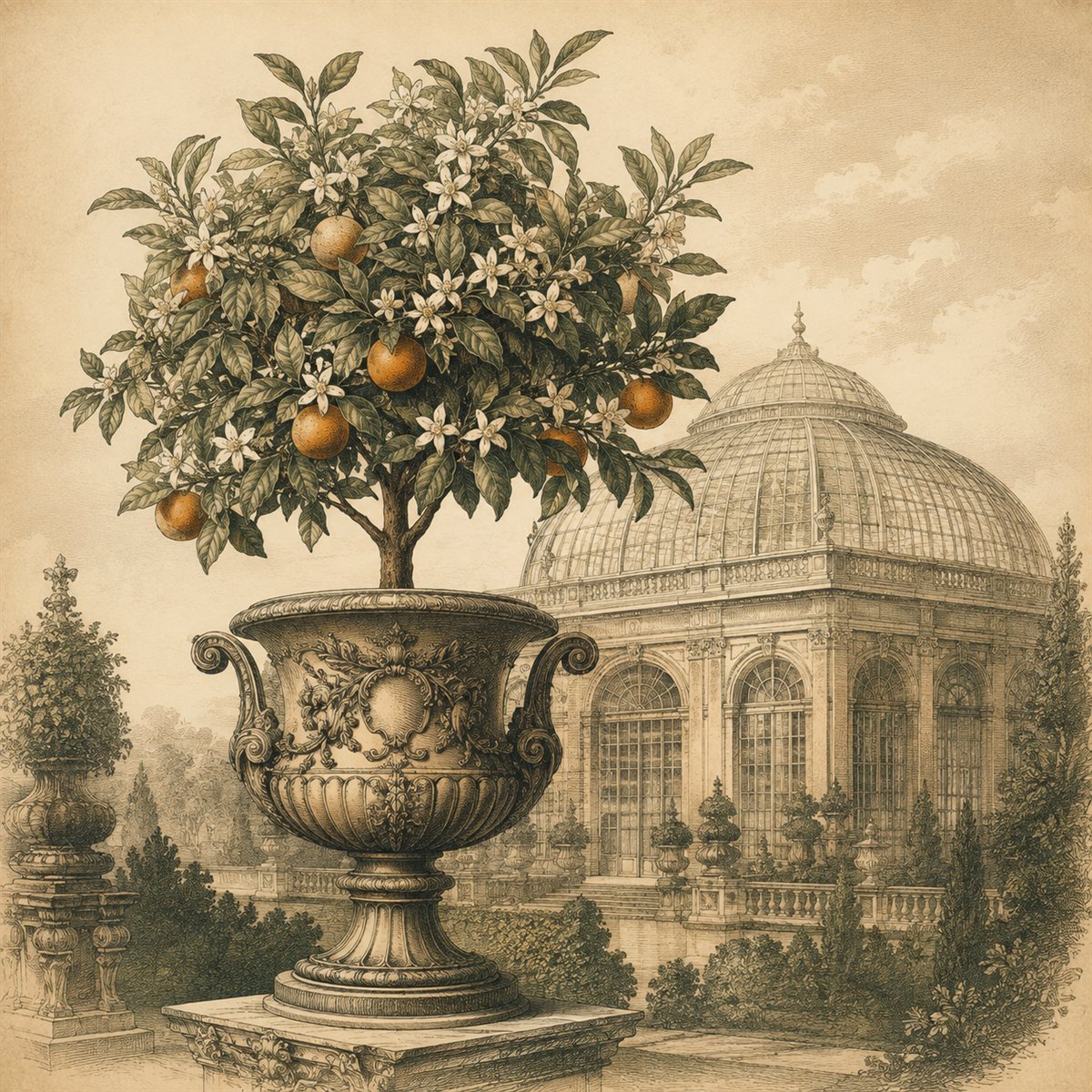
The King of France Banned Every Perfume From His Court Except One
Louis XIV soaked his shirts in scent, sprayed entire rooms of Versailles daily, and imported thousands of orange trees to build the largest orangery in Europe. By the end of his life, migraines meant he could tolerate only orange blossom.
Strange History
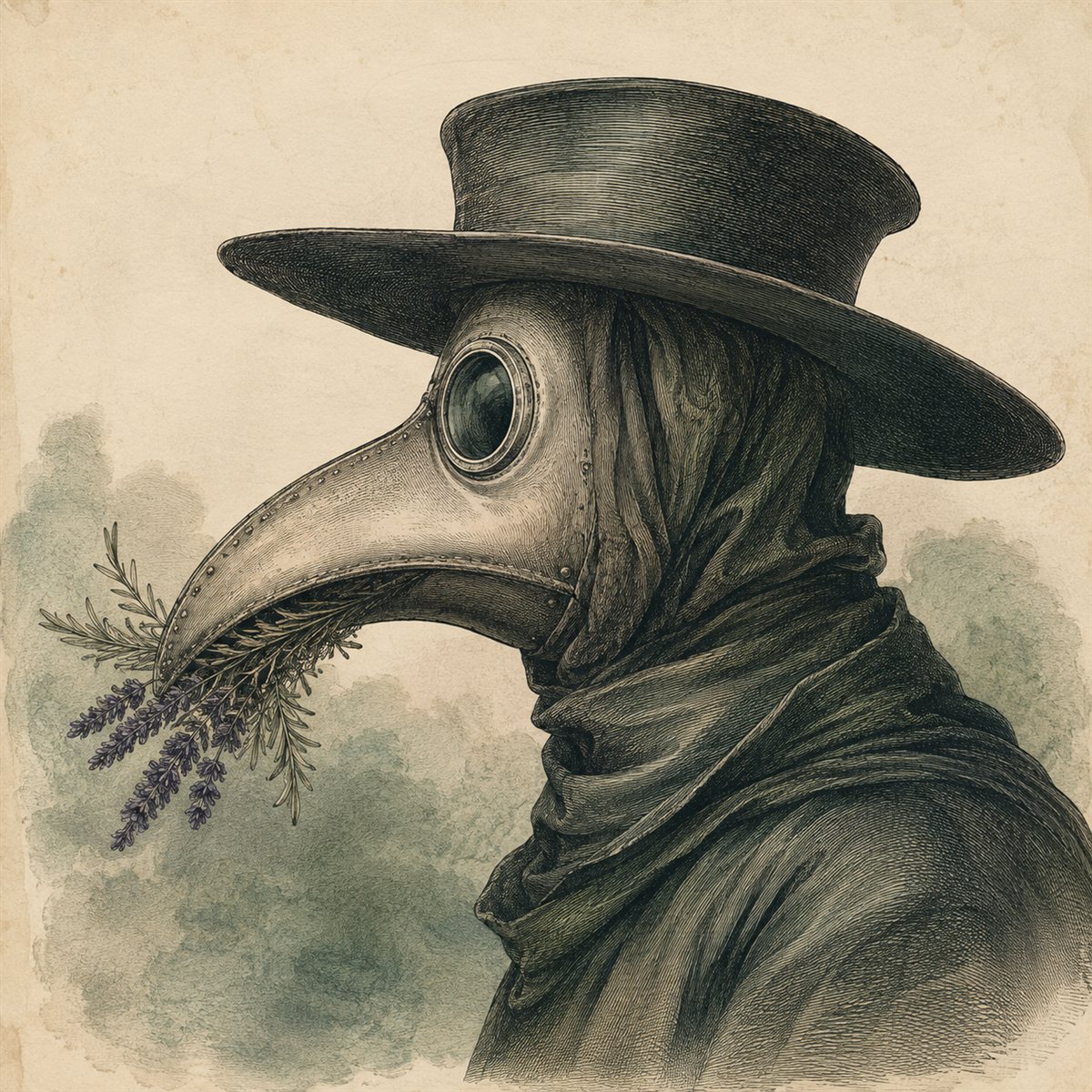
Plague Doctors' Beak Masks Were Stuffed With Perfume, and It Accidentally Worked
Doctors treating the Black Death packed their bird-like masks with dried roses, lavender, camphor, and myrrh, convinced they were filtering out disease-causing bad air. The theory was wrong. The mask may have helped anyway, for a completely different reason.
Strange History
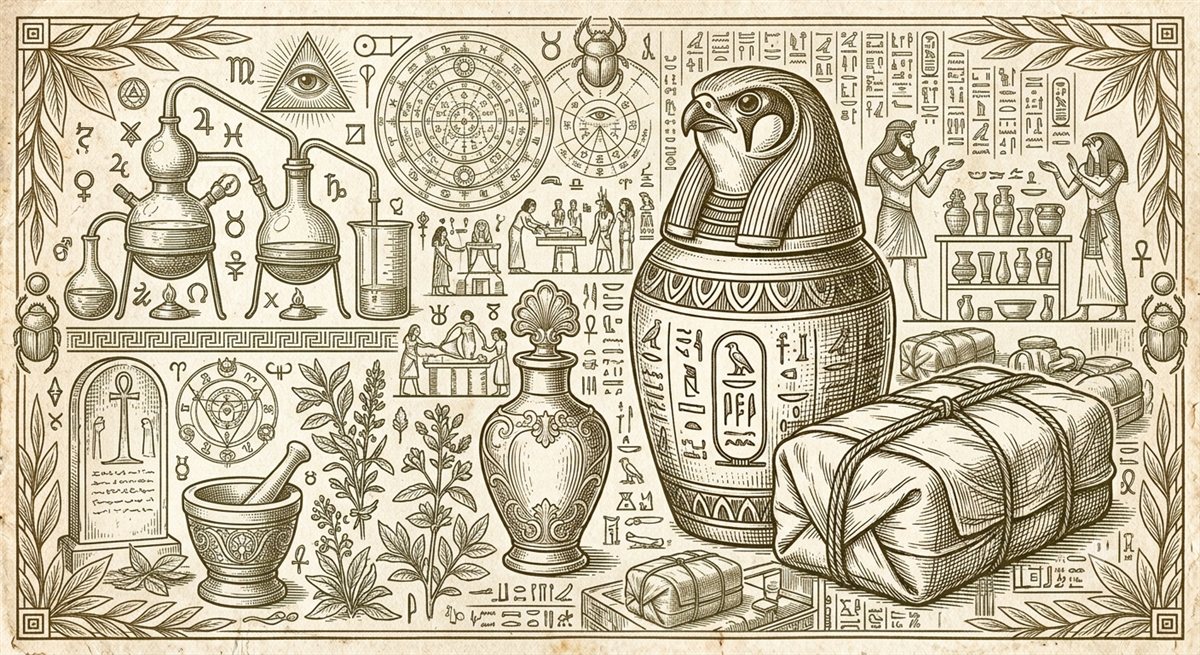
European Royalty Used to Eat and Wear Ground-Up Egyptian Mummies
For roughly six centuries, powdered mummy, mumia, was a genuine European medicine cabinet staple, believed to cure everything from headaches to tumors. Catherine de' Medici reportedly sent expeditions to loot Egyptian tombs specifically to source it.
Quirky Facts
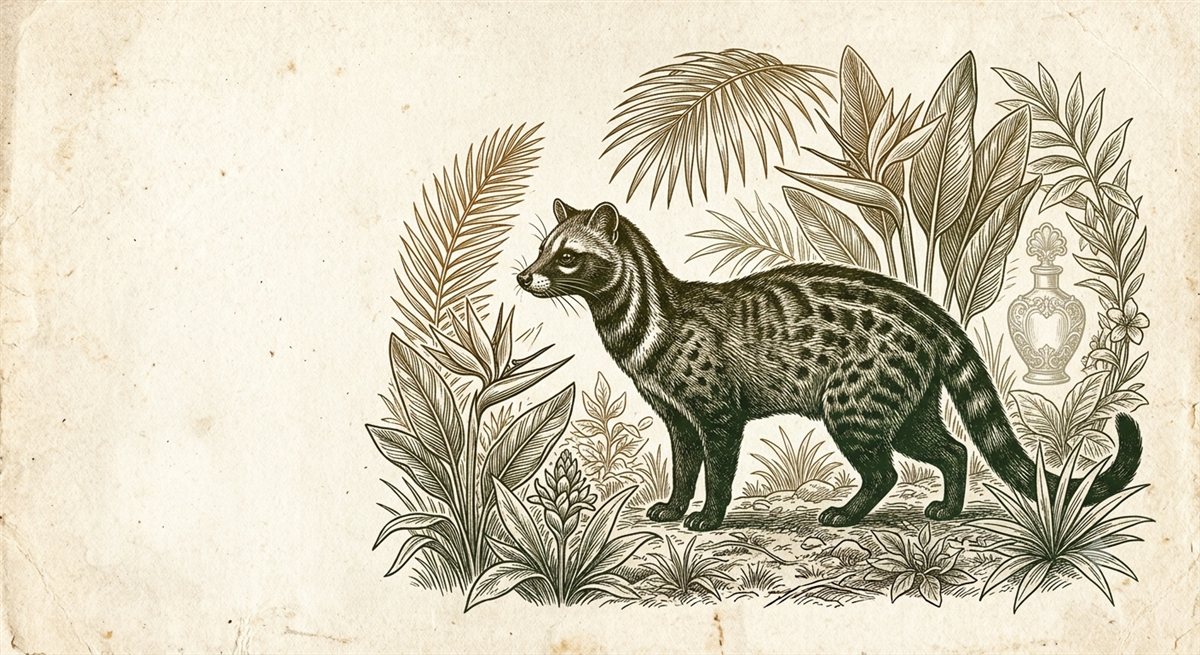
This Perfume Ingredient Smells Repulsive Undiluted and Intoxicating at 0.01 Percent
Civet is a paste secreted from the perineal glands of the civet cat. Smelled raw it's overwhelming and fecal; diluted below a hundredth of a percent, the same compound reads as warm, honeyed, and almost floral.
Quirky Facts
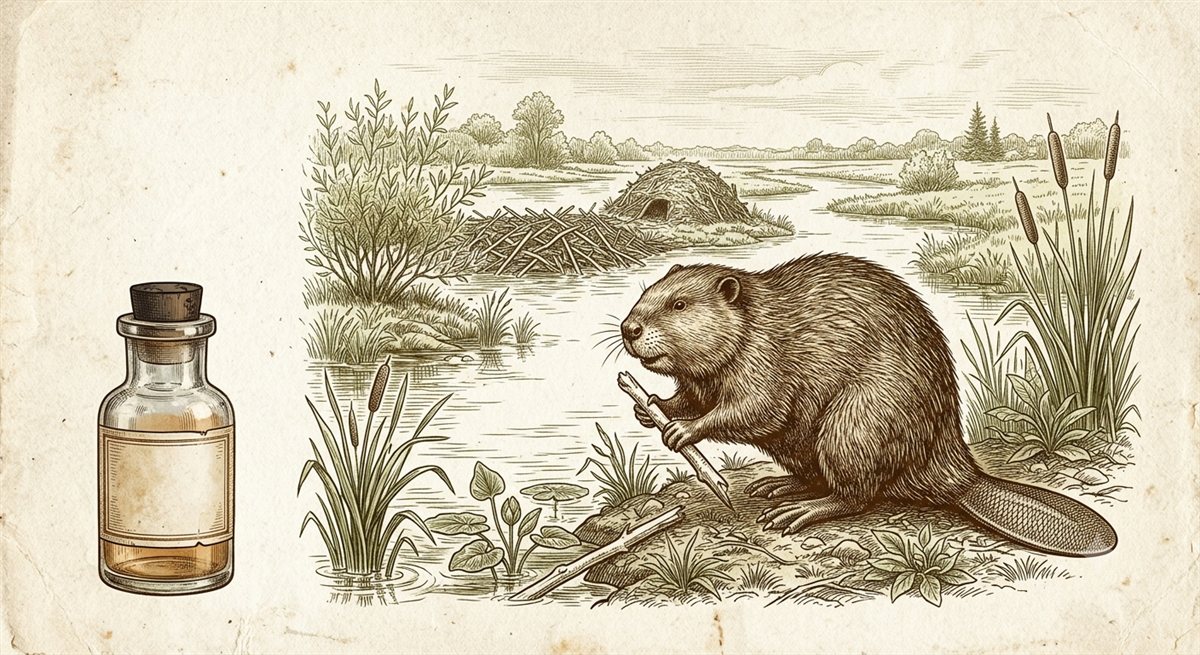
Perfumers Put Beaver Butt Secretions in Fragrances, and the FDA Says It's Fine
Castoreum comes from the castor sacs of the North American beaver, historically used in leather and oriental perfumes for its smoky, animalic edge, and, until it became too expensive to harvest, as a legal vanilla flavoring.
Strange History
No, Rasputin Didn't Wear Musk, The Real Story Is Stranger
The rumor says Grigori Rasputin doused himself in musk to hypnotize the women of the Russian court. The historical record says the opposite: contemporaries who actually met him wrote down, in detail, that he smelled terrible.
Strange History
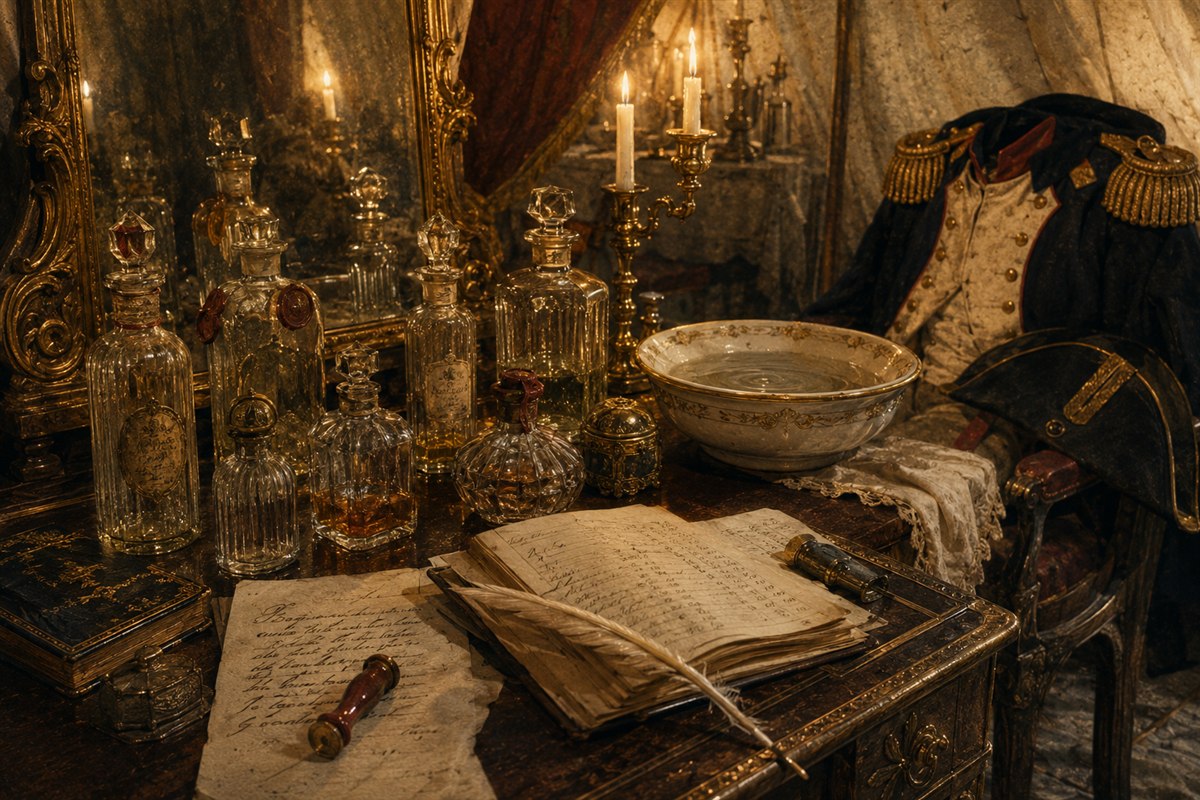
Napoleon Went Through Roughly a Bottle of Cologne a Day, and It Wasn't Just Vanity
Napoleon Bonaparte had a standing order for dozens of bottles of eau de cologne a month, doused himself in it constantly, and even carried it onto the battlefield. Contemporary accounts describe it less as a habit and more as a compulsion.
Strange History
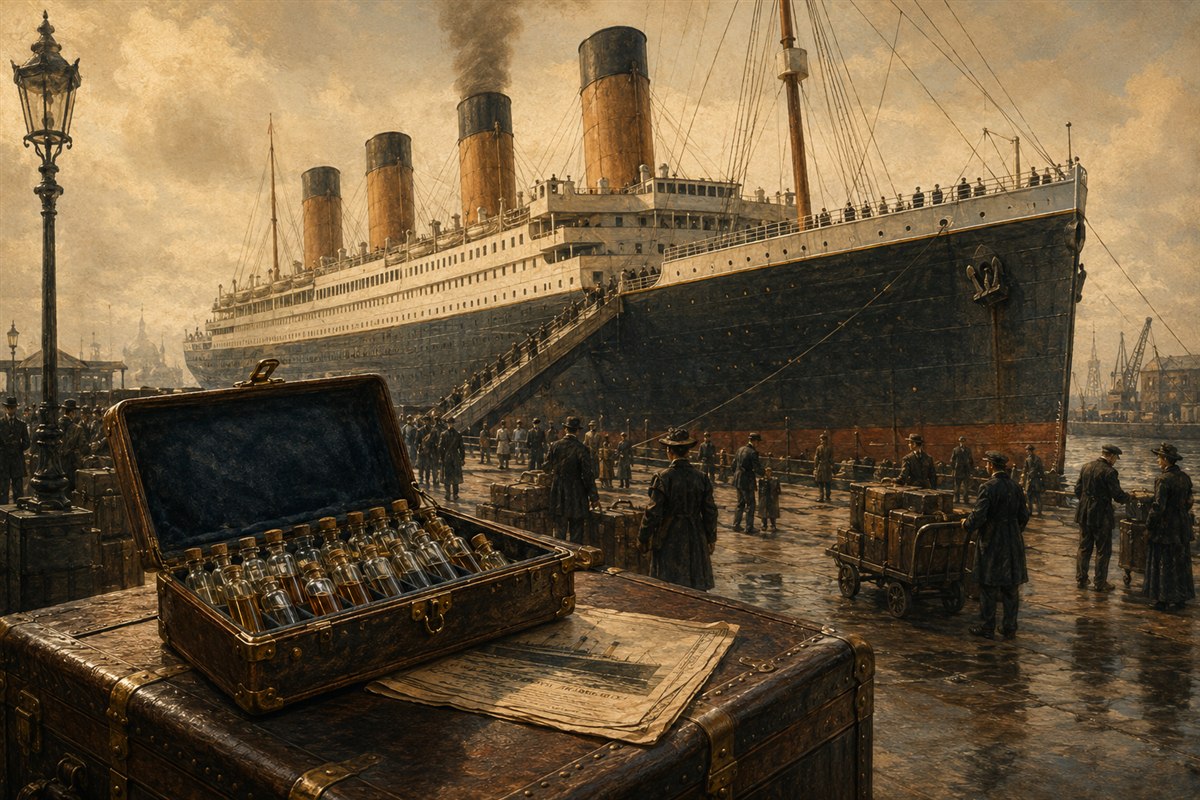
A Perfumer Survived the Titanic. His Perfume Samples Didn't Need To, They Were Found Intact 73 Years Later
Adolphe Saalfeld boarded the Titanic carrying 65 vials of perfume samples, hoping to launch his fragrance line in America. He escaped in a lifeboat and left the samples behind. Decades later, salvagers found them on the ocean floor, still smelling of perfume.
Quirky Facts
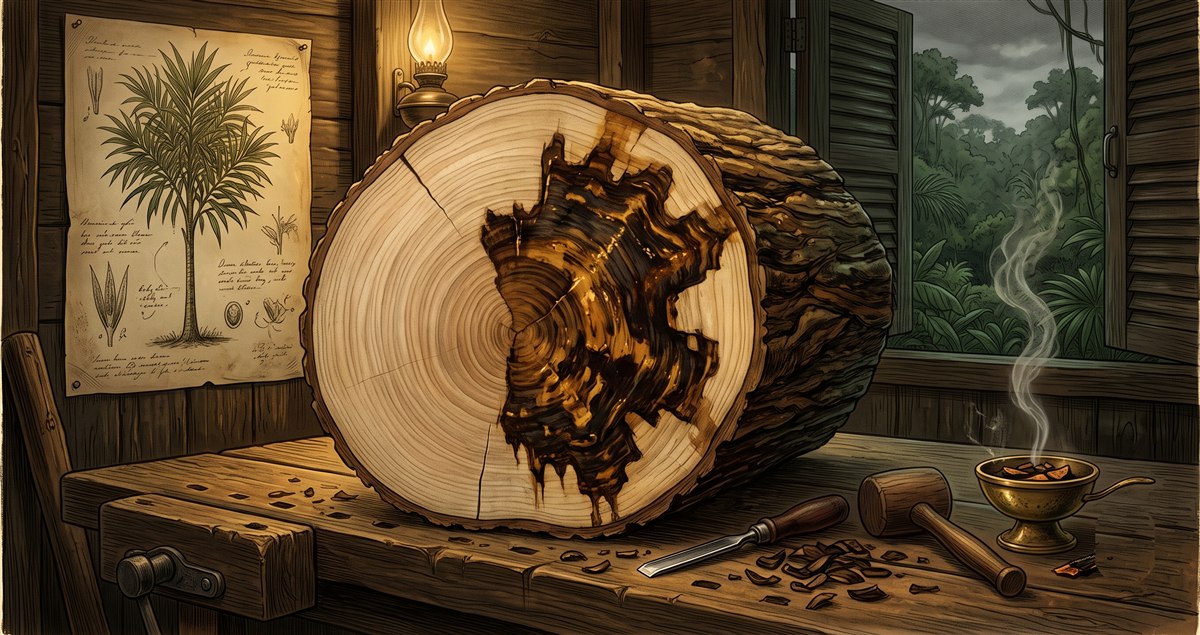
The World's Most Expensive Wood Only Exists Because the Tree Got Infected
A healthy Aquilaria tree is odorless and worthless to perfumers. Oud, one of the priciest raw materials on earth, only forms after the tree is wounded or infected, as a defensive reaction.
Quirky Facts
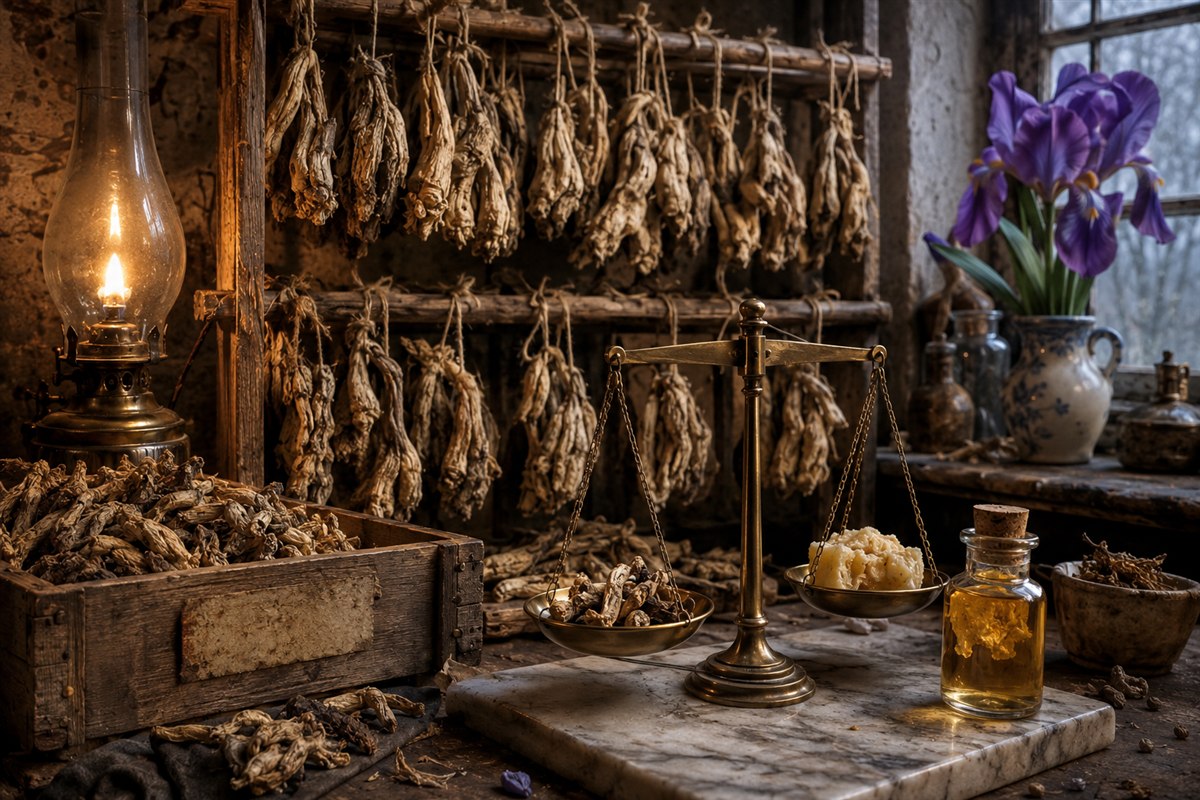
This Flower Root Has to Sit and Age for Years Before It's Even Worth Processing Into Perfume
Freshly dug iris rhizomes are basically odorless. The powdery, violet scent perfumers pay a fortune for only shows up after years of drying and aging, and even then, the yield is tiny.
Quirky Facts
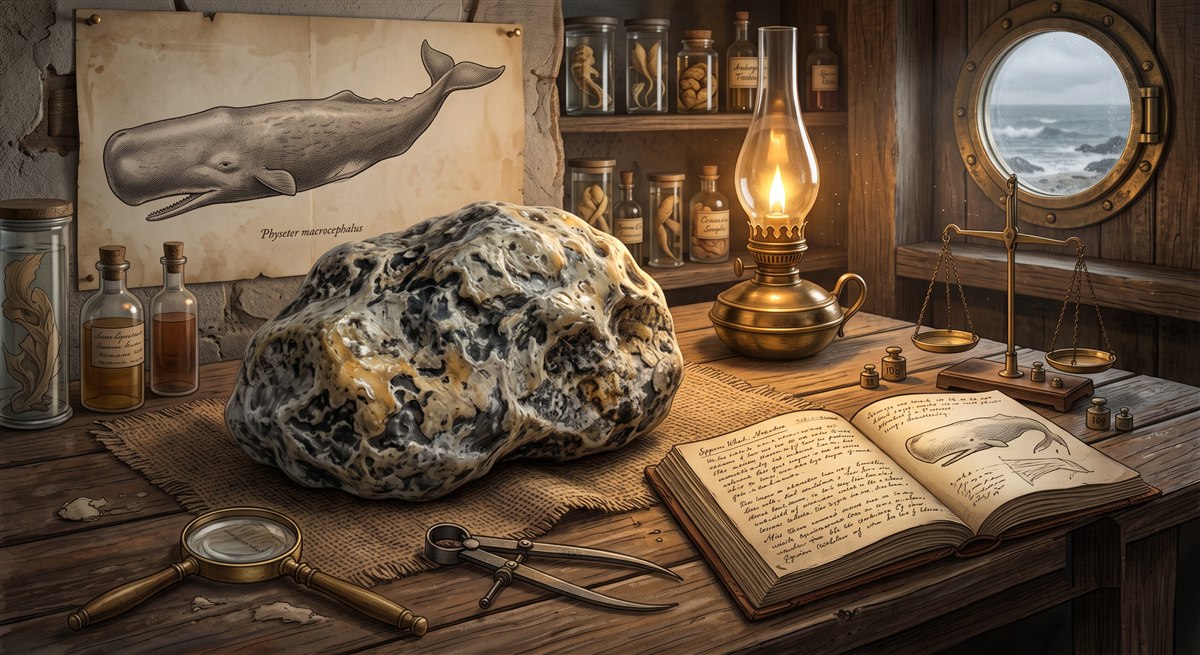
One of the Most Expensive Materials in Perfumery Is Whale Vomit That Washed Up on a Beach
Ambergris can sell for thousands of dollars a kilogram. It comes from sperm whales, it's found by random beachcombers, and it only becomes valuable after spending years rotting in the ocean.
Quirky Facts
The Chemist Who Was Trying to Build a Better Explosive, and Invented Modern Perfume Instead
In 1888, Albert Baur wasn't looking for a new fragrance material. He was trying to improve on TNT. What he found on the lab bench instead created an entire category of perfumery that's still in use today.