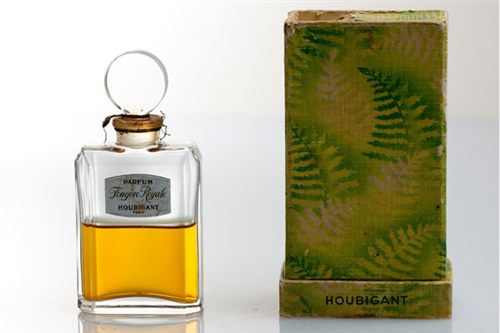
Fougere Royale(1882)
Houbigant · Paul Parquet · Fougere
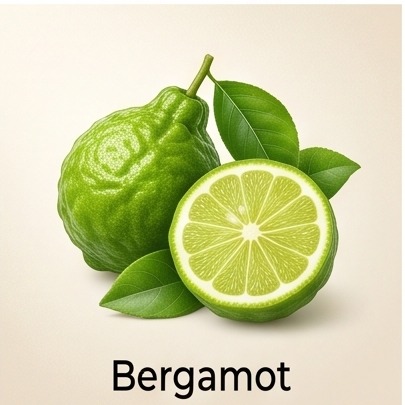
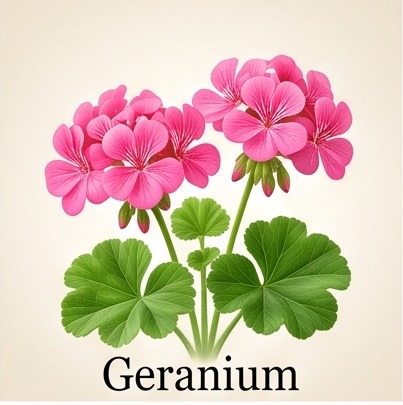
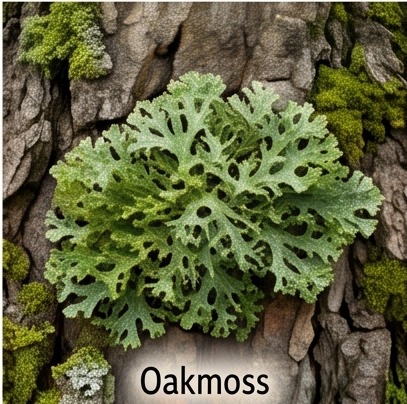
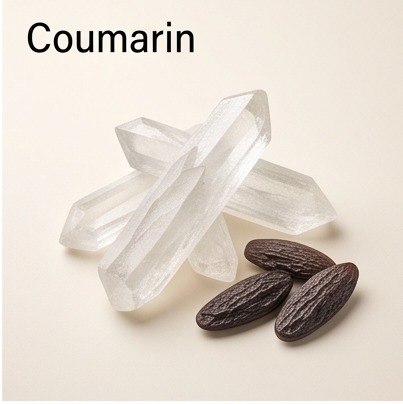
Created by Paul Parquet for Houbigant, Fougere Royale is widely credited as the first fragrance to use synthetic coumarin, extracted from tonka bean and, by the 1880s, producible in the laboratory, as a structural pillar rather than a supporting accent, and it is this innovation that gave an entire fragrance family, the fougeres, its name. The composition opens on bergamot and lavender, moves through a heart of geranium and oakmoss, and closes on a base built around coumarin and musk, creating the sweet-hay, freshly-cut-grass accord that would come to define barbershop masculine perfumery for the following century. Before Fougere Royale, perfumery worked almost entirely with natural materials; Parquet's willingness to build a fragrance's central identity around a synthetic molecule marked one of the opening moves of modern perfumery, paving the way for the aldehydic and ambroxan-driven compositions of the 20th century. The name itself, Royal Fern, is evocative rather than literal, since ferns themselves have no scent; Parquet used it to describe the green, mossy-sweet impression the coumarin-oakmoss-lavender accord evokes. Though the original formula lapsed from production for a period in the 20th century, the fougere family it founded went on to become one of the largest and most commercially important genres in all of perfumery, encompassing everything from classic barbershop colognes to contemporary designer masculines.
New to top, heart & base notes? Learn how the fragrance pyramid actually works →

No comments yet.