Eau de Cologne Imperiale(1828)
Guerlain · Pierre-Francois Pascal Guerlain · Citrus
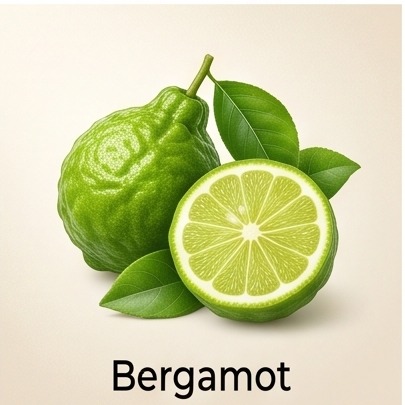
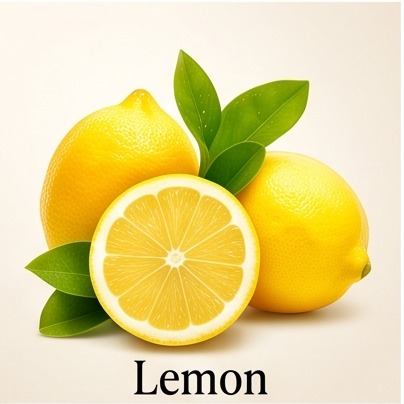
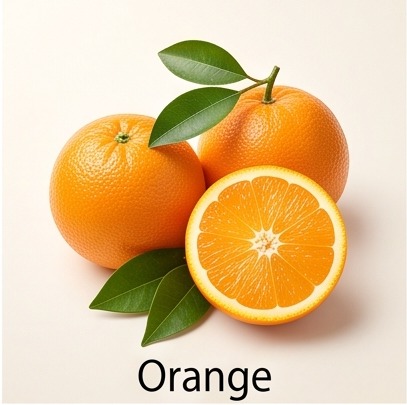
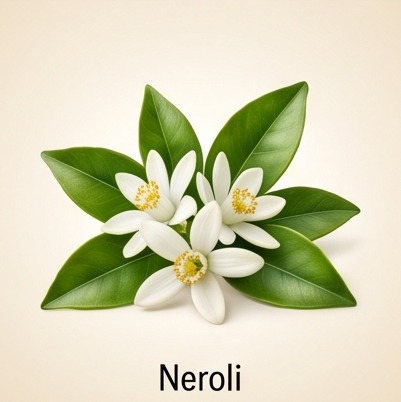
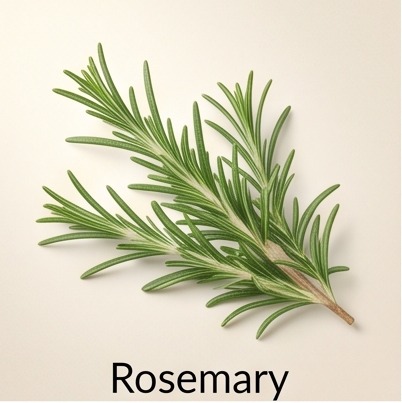
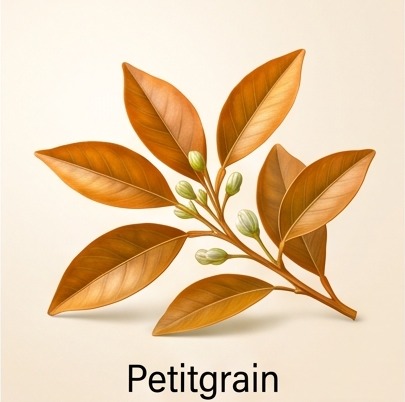
Pierre-Francois-Pascal Guerlain created this cologne for Empress Eugenie, wife of Napoleon III, reportedly to mark the birth of their son in 1853, and it remains in production today largely unchanged, one of the very few 19th-century fragrances still sold in anything resembling its original form. The composition is a refined, classical cologne: bergamot, lemon, and orange over a neroli-and-rosemary heart, finished with musk and petitgrain, built for freshness rather than longevity or complexity. Its most enduring legacy, however, is not the juice but the bottle: the Empress requested a design encrusted with gold bees, the heraldic symbol of the Napoleonic empire, and that bee-patterned flacon became Guerlain's signature vessel, still used across the house's fragrance lines more than 150 years later. The fragrance itself represents the high style of Second Empire French court perfumery, light, citrus-driven, and meant to be reapplied throughout the day rather than worn as a single lasting statement. Guerlain's continued production of the formula makes it a rare living link to mid-19th-century French perfumery.
New to top, heart & base notes? Learn how the fragrance pyramid actually works →
No comments yet.