 Olfactionary
Scientists Recreated a Smell That No One Had Experienced in 3,500 Years
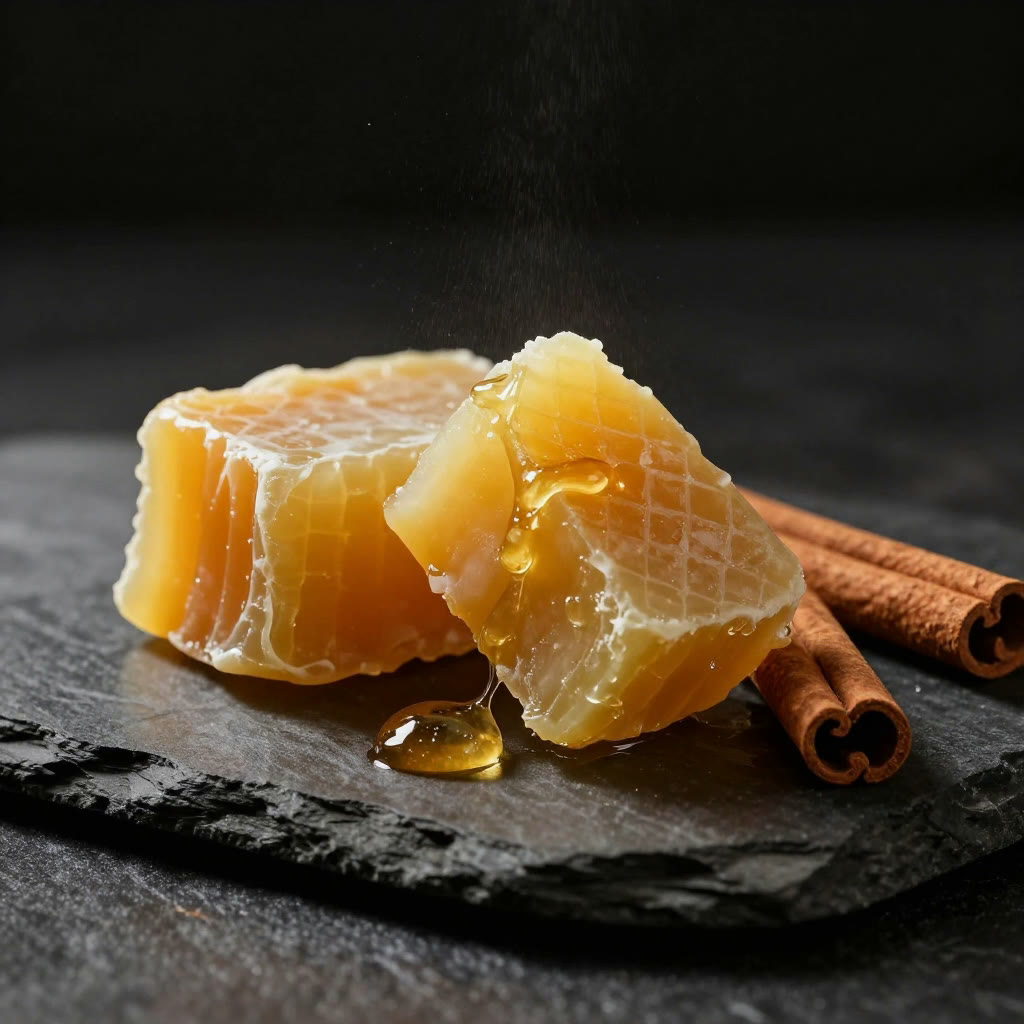
Using chemical residue from an ancient Egyptian noblewoman's burial jars, researchers reverse-engineered (and physically reconstructed) the exact embalming scent used on her body in 1450 BCE.
In 2023, a research team did something that sounds more like science fiction than archaeology: they recreated a smell that no living person had encountered in roughly 3,500 years.
The scent came from the tomb of Senetnay, a noblewoman who served as wet nurse to the Egyptian pharaoh Amenhotep II around 1450 BCE, an honored enough position that she was mummified and buried near the Valley of the Kings. Two of her canopic jars, the sealed containers used to hold organs removed during mummification, still held traces of the embalming balm applied to her body thousands of years ago.
Reading a scent through chemistry
A team led by researchers at the Max Planck Institute of Geoanthropology used gas chromatography and mass spectrometry to break the dried residue down into its individual chemical components, essentially reverse-engineering a recipe from what was left behind in the jar. They identified beeswax, plant oils and fats, resin from a pine-related conifer, and aromatic compounds resembling coumarin (a warm, vanilla-like note) along with benzoic acid derivatives similar to what's found in cinnamon and cloves.
That gave them a genuine, evidence-based formula, but a list of chemical compounds isn't the same as a smell you can actually experience. So the team worked with French perfumer Carole Calvez and sensory museum scientist Sofia Collette Ehrich to translate the analysis back into an actual, physically reconstructed scent, nicknamed the "Scent of Eternity."
A smell you can now walk up and experience
The reconstruction wasn't only a research exercise. It was built to be smelled, in person, by ordinary museum visitors. The recreated balm has been presented publicly at Denmark's Moesgaard Museum, letting people experience, as closely as modern science can manage, an aroma that was last smelled by mourners at an Egyptian embalming table three and a half millennia ago. The findings were published in the journal Scientific Reports.