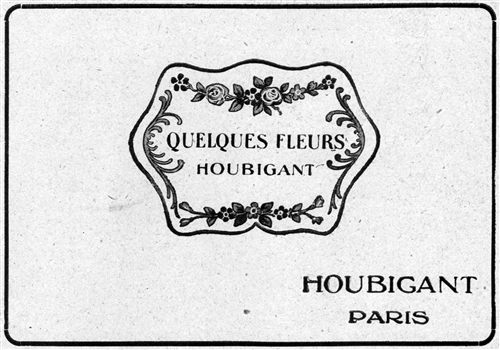
Quelques Fleurs(1912)
Houbigant · Robert Bienaime · Floral
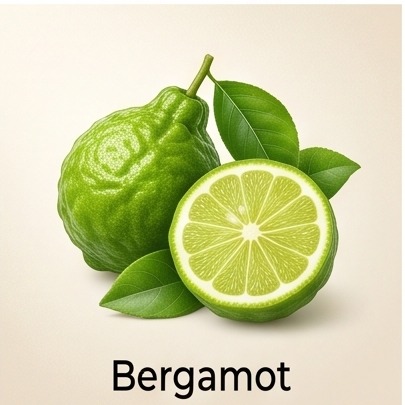
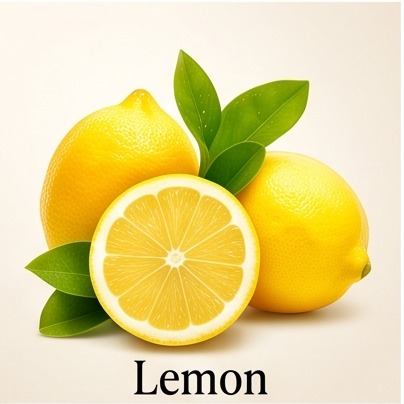
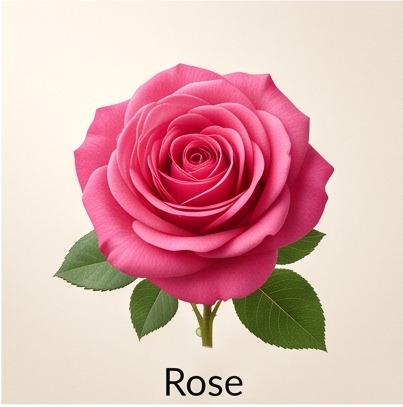
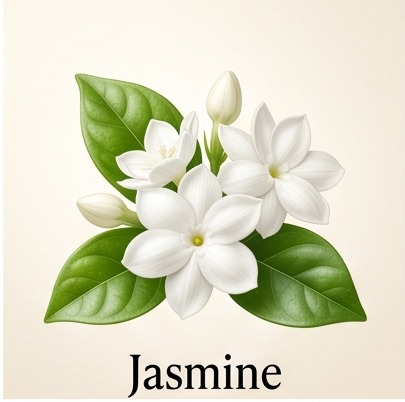
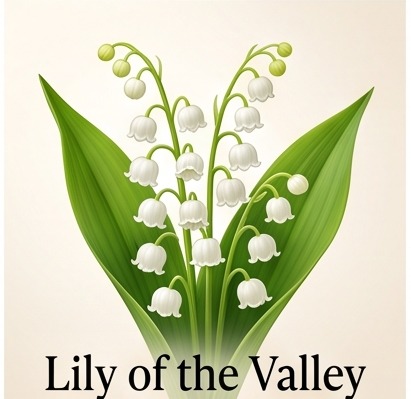
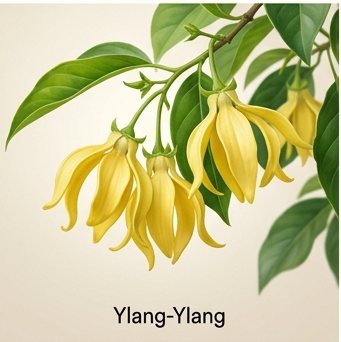
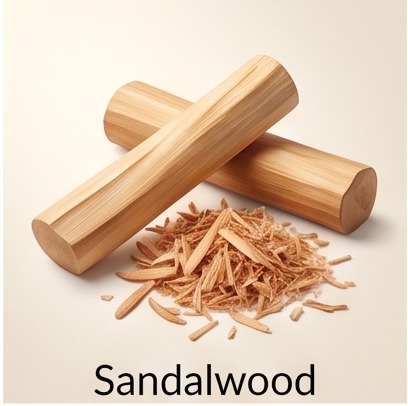
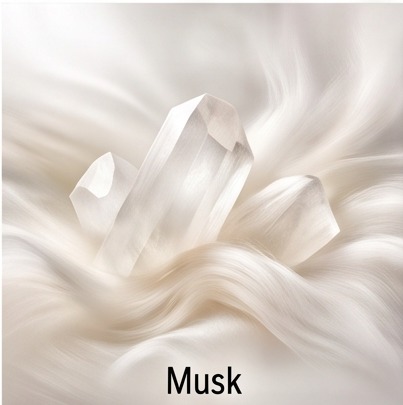
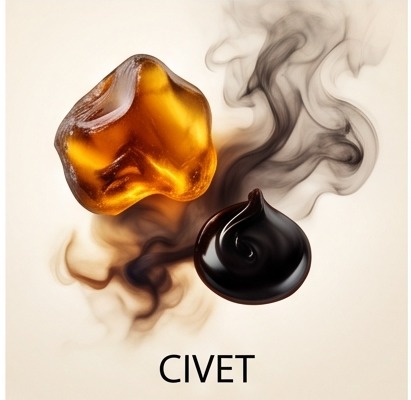
Created by Robert Bienaime for Houbigant, Quelques Fleurs, Some Flowers, is widely credited as one of the first fragrances to combine more than a hundred natural and synthetic materials into a single, deliberately non-literal floral bouquet rather than showcasing one dominant flower or a small identifiable handful. The composition opens on bergamot and lemon, moves through a heart of rose, jasmine, lily of the valley, and ylang-ylang, and closes on sandalwood, musk, and civet, blending its florals so thoroughly that no single flower dominates the impression, an approach perfume historians consider a genuine innovation distinct from the soliflore and simple-bouquet traditions that preceded it. This abstract bouquet technique, building a fragrance that smells unmistakably floral without smelling identifiably like any one flower, would go on to influence generations of multi-floral compositions throughout the 20th century. Houbigant's willingness to combine dozens of costly natural absolutes in a single formula also reflected the house's continued position among Paris's most prestigious and well-resourced perfumers in this period. Though later eclipsed in fame by simpler, more streamlined florals, Quelques Fleurs is regularly cited by perfume historians as a genuine turning point in how perfumers conceived of floral composition.
New to top, heart & base notes? Learn how the fragrance pyramid actually works →
No comments yet.