 Olfactionary
Why Rain Smells So Good: The Science of Petrichor
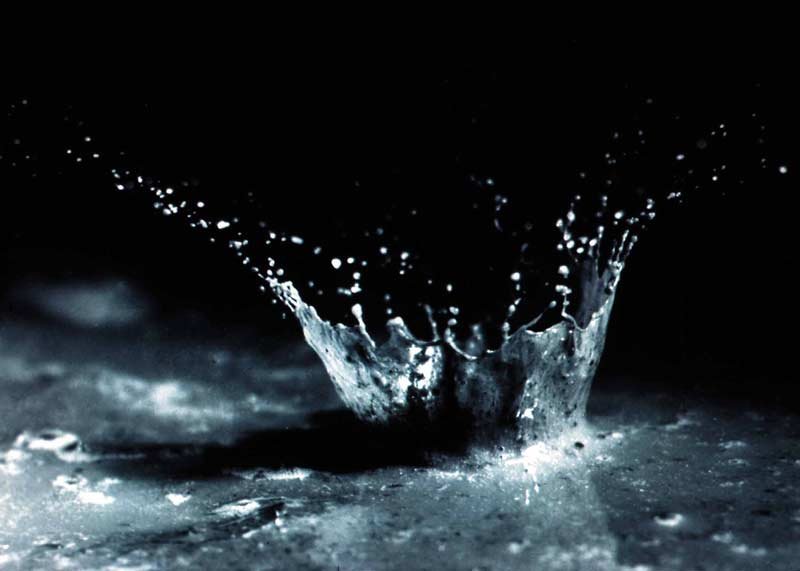
That distinctive earthy scent when rain hits dry ground has a name, a real chemical cause, and a human nose that is almost absurdly good at detecting it, more sensitive to it, by some measurements, than a shark is to blood in water.
The smell has a name: petrichor, coined in 1964 by Australian researchers Isabel Joy Bear and Richard G. Thomas from the Greek petra (stone) and ichor (the fluid said to run through the veins of the gods). It describes the specific earthy scent that rises when rain falls on dry soil after a stretch without rain, not the smell of rain itself, and not something that happens the same way every time it rains.
Three things combine to make it. Certain plants release oils during dry spells that settle into soil and rock. Soil bacteria, especially a genus called Streptomyces, produce a compound called geosmin as a metabolic byproduct, particularly around spore production in dry conditions. And a falling raindrop, on hitting a porous surface, traps tiny air bubbles that shoot back up through the drop and burst at the surface, flinging aerosols loaded with both the plant oils and the geosmin into the air where a nose can actually reach them. Ozone from a nearby storm can add its own sharp note on top, especially with lightning involved.
What makes geosmin worth knowing by name is how sensitive humans are to it. Estimates put human detection thresholds for geosmin at around 5 parts per trillion, an amount so small it is often described as roughly 200,000 times more sensitive than a shark's famous ability to detect blood in water. It is one of the lowest odor detection thresholds known for any compound the human nose responds to, which is part of why the smell after a dry spell's first rain can feel so immediate and unmistakable, even from indoors.
Nobody knows for certain why human noses evolved to be quite this sensitive to a bacterial byproduct, but the leading theory ties back to water itself. Geosmin reliably signals damp soil and, by extension, the presence of water, a genuinely useful thing to detect early on a dry plain long before modern plumbing existed. Under that theory, the ability likely outlasted its original usefulness and just stayed, the way a lot of strong instinctive reactions do.
Perfumers have chased the smell for the same reason it grabs everyone else: it is instantly recognizable and deeply evocative, tied for most people to a specific memory rather than an abstract note. True geosmin is used sparingly and carefully in fragrance, since a little reads as "after the rain" and too much reads as literal wet dirt, but "petrichor" and "rain accord" showed up as a genuine, if difficult, perfumery ambition long before geosmin's chemistry was fully understood.