 Olfactionary
What Does Space Actually Smell Like? NASA Hired a Perfumer to Find Out
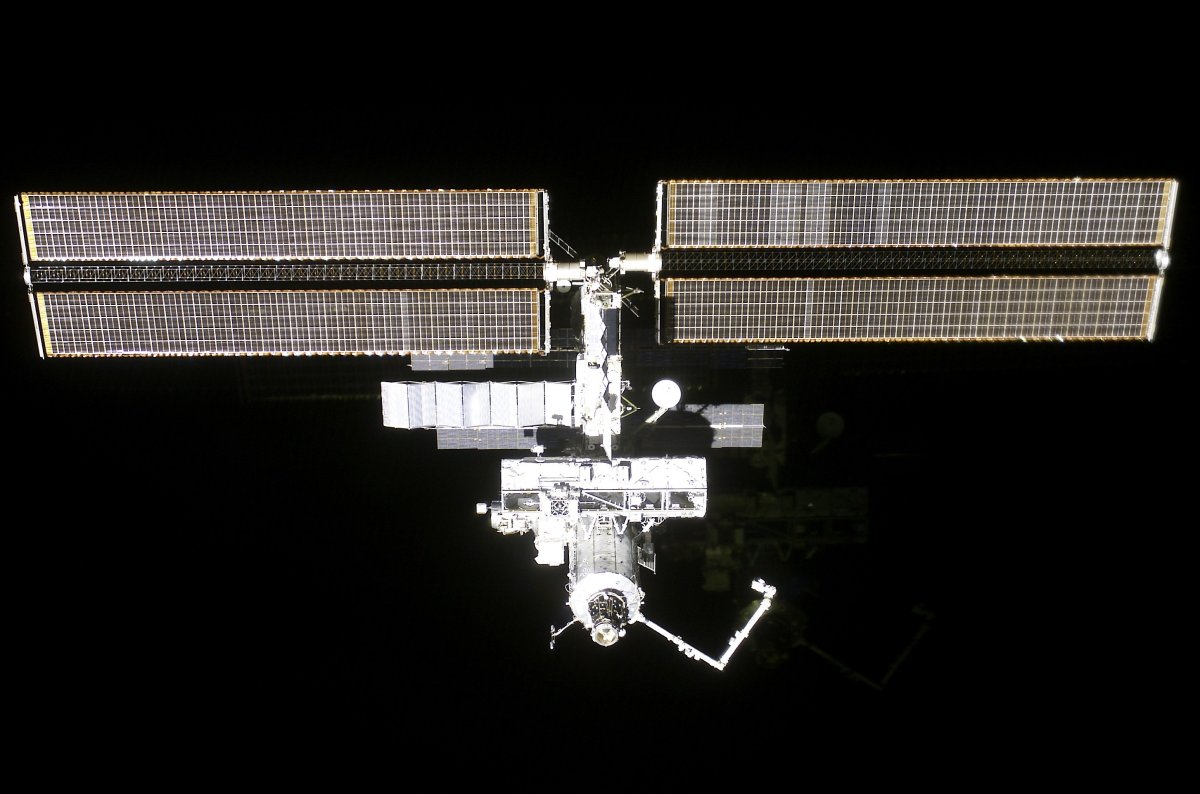
Astronauts describe a sharp, metallic scent clinging to their suits after spacewalks, somewhere between seared steak and spent gunpowder. It's not space itself, it's ozone and oxidized metal, and NASA liked the smell enough to have it recreated as a training tool.
Space itself is a vacuum, so strictly speaking it has no smell at all, nothing to carry an odor molecule to a nose. But astronauts who return from spacewalks consistently report something very real: after they re-enter the airlock and remove their helmets, a sharp, distinctive smell clings to their suits and equipment. Buzz Aldrin compared it to spent gunpowder. Other astronauts have described it as hot metal, burnt steak, or the smell of an arc-welder at work.
The leading explanation is chemical, not mystical. Out in orbit, unfiltered ultraviolet radiation and atomic oxygen can strip electrons and break apart oxygen molecules clinging to a suit's exterior. When the astronaut re-enters the airlock and pressurized air rushes back in, those reactive atoms recombine into ozone, and can also react with trace metal on the suit's surface. The result reads to a human nose as that unmistakable metallic, faintly combustive smell.
The smell was distinctive and consistent enough that NASA decided it was worth reproducing on Earth. The agency commissioned Steven Pearce, a flavor and fragrance chemist at the UK firm Omega Ingredients, to formulate a synthetic version of "the smell of space" for use in astronaut training simulations, so trainees would recognize it as a normal, expected part of returning from a spacewalk rather than mistaking it for a fault. Pearce, who has also worked on scent recreations for museums and historical projects, described the metallic character as most likely coming from the high-energy vibration of ions, the same broad family of effect that gives an electrical spark or a welder's arc its own faint smell.
It is a genuinely unusual brief for a perfumer: not to make something pleasant, but to accurately reverse-engineer a smell that exists nowhere on Earth's surface, built entirely from secondhand description and chemistry rather than a sample anyone could bring back in a bottle. It also puts "the smell of space" in an odd category shared with a small number of other manufactured-for-accuracy scents, like museum recreations of historical rooms or extinct flowers, where the goal is fidelity to a real but inaccessible smell rather than a pleasant original composition.
The astronauts themselves generally agree on the character of the smell, if not the exact food comparison. Ozone is a real, if famously hard to isolate, note in perfumery, usually built from synthetic aldehydes and ozonic materials that suggest the smell of air after a lightning storm rather than the gas itself. Space's reported smell leans harder into the metallic, scorched side of that same general territory, which is why "burnt" and "welding" come up in astronaut descriptions far more often than anything resembling fresh air.