 Olfactionary
Ambergris Isn't Whale Vomit, and It's Worth More Than Gold
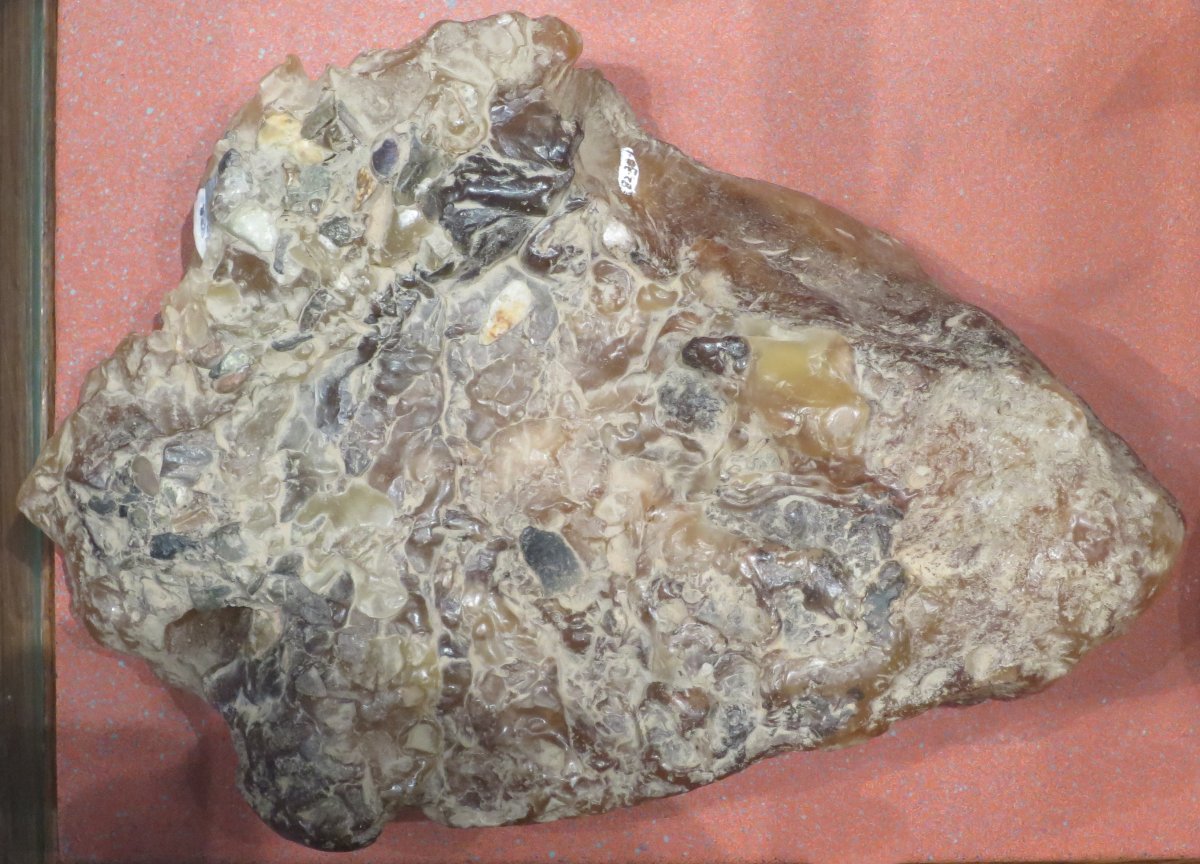
For centuries, one of perfumery's most prized ingredients was gathered from beaches, not laboratories: a waxy grey lump that drifts the open ocean for years before washing ashore. It's called ambergris, whalers nicknamed it "floating gold," and the common story about where it comes from isn't quite right.
Ambergris has a marketing problem it never asked for: everyone calls it whale vomit. The truth is a little stranger. Sperm whales feed heavily on squid, and squid beaks are hard, indigestible, and sharp enough to irritate the whale's intestines. Some whales respond by coating the beaks in a waxy bile secretion that binds them into a mass, which is then usually excreted rather than vomited. That mass, greasy and foul-smelling at first, is cast into the ocean and left to drift, sometimes for years or even decades, oxidizing in sun and salt water until it hardens into something almost unrecognizable: a smooth, pale grey, sweetly musky lump that washes up on beaches from the Bahamas to New Zealand to the coasts of Wales.
Only an estimated 1 to 5 percent of sperm whales ever produce ambergris at all, which is part of why a large, well-aged piece can fetch tens of thousands of dollars per kilogram, historically compared to its weight in gold. Beachcombers have stumbled into genuine windfalls: fishermen and walkers in Oman, Yemen, and elsewhere have found lumps worth hundreds of thousands of dollars in a single lucky discovery, occasionally life-changing amounts of money for an ordinary find on an ordinary walk.
What makes aged ambergris valuable to perfumers has nothing to do with the smell it started with. Fresh ambergris is unpleasant. What the years of weathering, oxidation, and sun exposure produce is a completely different compound profile: soft, animalic, faintly marine, with warm ambery-woody facets that read as almost nothing else in nature. Historically, perfumers prized it less as a scent in its own right and more as a fixative, a substance that binds to other fragrance molecules and slows their evaporation, making a perfume's lighter top notes last far longer on skin. Grand-era perfumery leaned on it heavily for exactly that property, before cost, scarcity, and animal-welfare regulation pushed the industry toward ambroxan and other synthetic ambergris substitutes that approximate the same effect without the whale.
The legal status of natural ambergris is a genuine patchwork. In the United States, it is illegal to possess, buy, or sell in any form, under the Endangered Species Act and the Marine Mammal Protection Act, regardless of the fact that it is passively found on a beach rather than taken from a living or hunted whale. In the United Kingdom and much of the European Union, by contrast, naturally beached ambergris is legal to collect and sell, which is why the trade still quietly continues through specialist dealers and auction houses based there.
Ambergris also has a long history far outside perfume bottles. Long before its role in fine fragrance was well understood, it turns up in old materia medica as a supposed remedy for headaches, colds, and epilepsy, and it was burned or carried as a protective aromatic during outbreaks of plague, when a pleasant, strong-smelling substance was widely believed to ward off the "bad air" thought to carry disease. That belief turned out to be medically wrong, but it helped cement ambergris's reputation across centuries as something rare, powerful, and worth protecting.