 Olfactionary
There's a Real Scientific Reason You Can't Smell Your Own Perfume Anymore
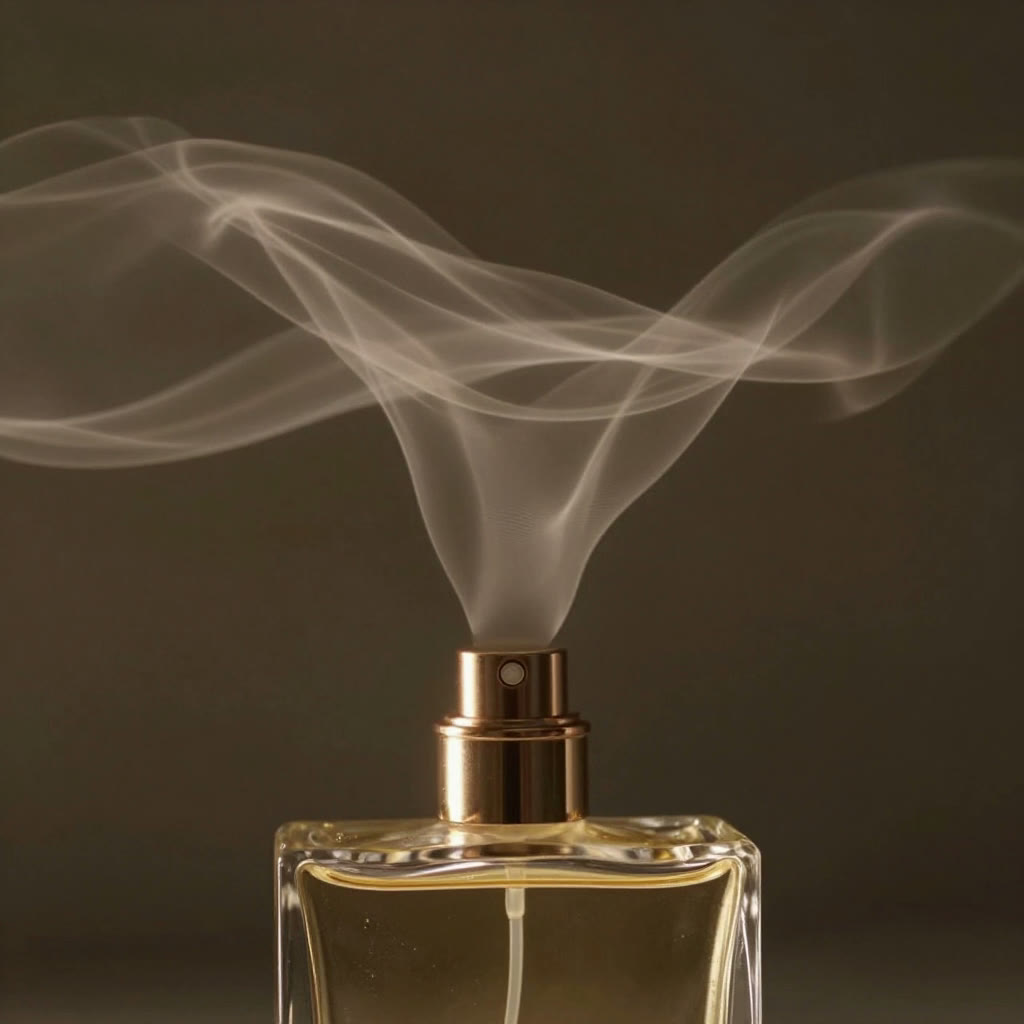
It isn't your imagination and the fragrance hasn't actually faded. Your nose is doing exactly what it evolved to do, and everyone else in the room can still smell it fine.
Ask anyone who wears fragrance regularly and you'll hear some version of the same complaint: "I can't smell my own perfume anymore." It isn't imagination, and it isn't a sign the fragrance has actually faded. It's a real, well-documented feature of how the human nose works, called olfactory adaptation.
After roughly 15 to 20 minutes of constant exposure to the same smell, the olfactory receptor neurons in your nose start to desensitize to it. The signal they send to your brain weakens, and eventually your brain effectively stops registering the scent as something worth paying attention to at all.
A feature, not a malfunction
This isn't a flaw in the system so much as a deliberate survival mechanism. A nose that stayed permanently, fully alert to every smell it had already identified as familiar and safe would be far less good at its actual job: noticing new smells, especially ones that might signal danger, like smoke or spoiled food. By tuning out the constant, unchanging scent of your own perfume, your brain frees up sensory bandwidth for whatever's new in the environment.
The fragrance hasn't actually disappeared, though. Other people encountering you fresh, without having adapted to the scent, can generally still smell it perfectly well from a normal conversational distance. You've simply become the one person in the room who's chemically tuned it out.
How perfumers work around it
Professional perfumers deal with this constantly, and use the same low-tech fix anyone can: smelling a neutral reference (often the back of your own hand, or coffee beans) resets the palate, and stepping away from a scent for even a short while restores your ability to perceive it again. It's the reason a fragrance that felt overwhelming when you first sprayed it can feel like it's gone entirely an hour later, even though it never actually left, as far as everyone else around you is concerned.