 Olfactionary
The Ancient Trade Route That Was Worth More Than Gold (And It Was Just Tree Sap)
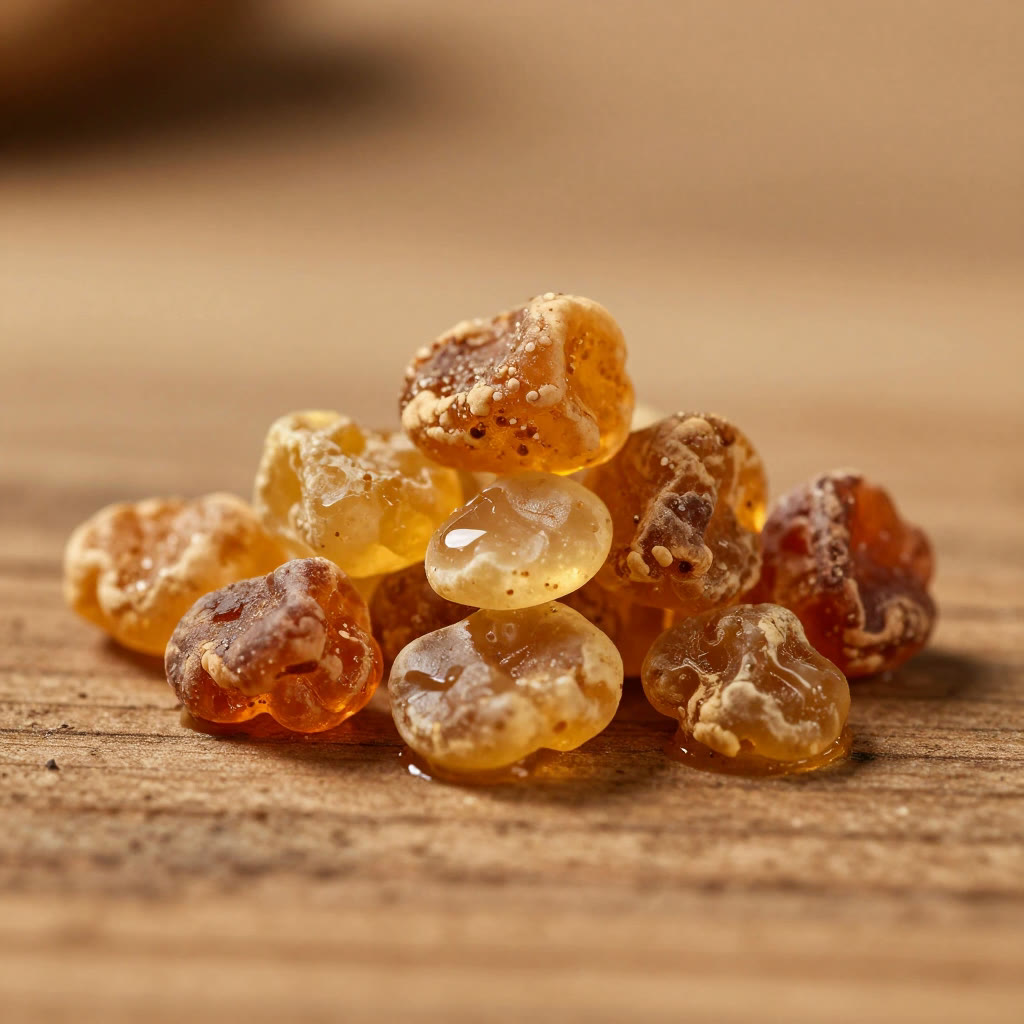
For nearly two thousand years, entire South Arabian kingdoms grew rich and built dams and temples on the back of a single hardened resin, harvested from trees that grew almost nowhere else on Earth.
For nearly two thousand years, the most valuable substance moving through the ancient world wasn't gold, silk, or spices. It was a hardened tree resin from a scrubby, unremarkable-looking tree that only grows well in one narrow strip of the planet: the southern Arabian coast and the Horn of Africa.
Frankincense comes from the sap of Boswellia trees, harvested by cutting the bark and letting the resin weep out and harden into golden "tears." Its close cousin myrrh comes the same way from Commiphora trees. Both were burned as incense in temples from Egypt to Jerusalem to Rome, and both grew almost nowhere except the remote, hard-to-reach kingdoms of South Arabia, in what's now Yemen and Oman's Dhofar region.
A monopoly worth building an empire on
Egyptian and Sumerian records show incense already being imported from the south by around 2000 BCE. By roughly 1200-1000 BCE, organized overland caravan routes had formed across the Arabian Peninsula, controlled by South Arabian kingdoms (the Sabaeans, Qatabanians, and Hadhramautians) who held a near-total monopoly on where the trees grew and who got to harvest them.
The Sabaean kingdom, ruled from the city of Marib, grew wealthy enough to fund extraordinary engineering: the Great Dam of Marib, an irrigation project that sustained the kingdom's agriculture for over a thousand years. It was, in effect, a civilization built and financed by scent.
Marked up at every stop
The incense route ran for well over a thousand miles, through dozens of way-stations where local rulers charged tolls, taxes, and fees for water and lodging. By the time a shipment of frankincense reached a temple in Rome, its price had multiplied tenfold or more from what it cost at the point of harvest, and the merchants and middlemen who controlled the route grew spectacularly rich along the way.
The demand never really let up, either. Frankincense and myrrh were burned by Egyptian priests, offered in the Temple in Jerusalem, and consumed by Rome in quantities large enough that, according to ancient writers, the emperor Nero was said to have burned a year's harvest of Arabia's incense at the funeral of a single mistress. Long before anyone thought of perfume as an industry, it was already one of the ancient world's most consequential trade goods.